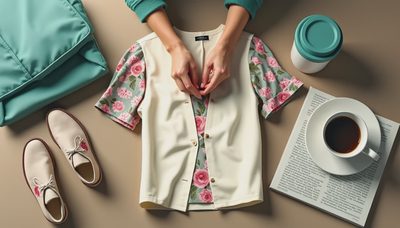
I found my first set blouse and skirt on a drizzly Saturday at the Brooklyn Flea, buried under a pile of polyester blouses from the 1970s. It was a 1950s ensemble in dusty rose silk — the blouse had tiny pearl buttons, and the skirt fell in a perfect A-line. I knew immediately it was meant to stay with me. This set blouse and skirt wasn't just clothes; it was a time capsule. The woman who wore it probably bought it as a coordinated piece for a special occasion, then wore it until the seams started to fray. That history is what makes these matching sets so special.
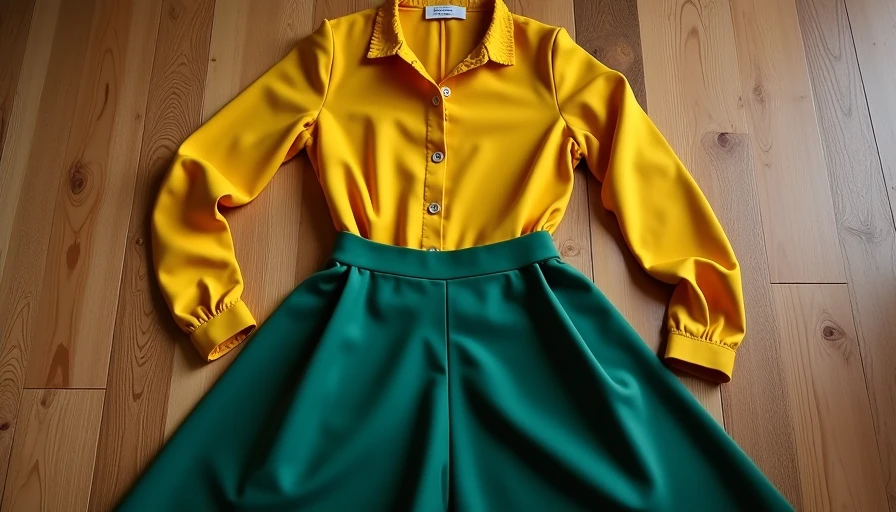
What Makes a Set Blouse and Skirt So Special?
In the mid-20th century, matching two-piece ensembles were a wardrobe staple. They were practical — you could wear the blouse with other skirts, or the skirt with other tops — but together they created an intentional, polished look. The concept of "separates" really took off in the 1950s, championed by designers like Claire McCardell who wanted women to mix and match rather than rely on one-piece dresses. A vintage set from the 1950s might feature a fitted blouse with a high collar and a full, calf-length skirt, often in floral prints or solid colors. By the 1960s, the silhouette became more streamlined, with boxy blouses and shorter skirts. The construction of a set blouse and skirt from this era often reveals meticulous tailoring: darts that actually fit a real woman's frame, buttons sewn to last, fabric meant to be worn and washed, not tossed after one season. That's a kind of quality nearly impossible to find in modern fast fashion. I remember one set from the 1940s I came across — a rayon crepe number with a peplum blouse and a kick-pleat skirt. It was so perfectly proportioned you could see the dressmaker had sketched and cut it by hand.
How to Spot a Quality Vintage Set Blouse and Skirt
When you're hunting for such a set, there are a few things to look for. First, check the fabric: natural fibers like cotton, silk, or wool are your best bet. They breathe, drape well, and age gracefully. Second, examine the seams and zippers. Vintage pieces often have metal zippers and hand-finished seams — signs of careful construction. Look for labels: names like Jonathan Logan, Leslie Fay, or Bobbie Brooks indicate good mid-century quality, but don't overlook no-label pieces that were custom-made or from small dressmakers. A quality set blouse and skirt should feel cohesive but not identical — typically the blouse and skirt share the same fabric or color palette, but the silhouette might differ to balance each other. A full skirt pairs beautifully with a fitted blouse, while a straight skirt calls for a slightly softer top. Also check for common issues: moth holes (often in wool sets), underarm discoloration (especially in silk), and missing buttons. Don't be afraid to try it on — vintage sizing is unpredictable. I always bring a measuring tape to the flea market.

Styling a Vintage Set for Today
The beauty of a set like this is that it doesn't have to be worn as a set. You can break it up: pair the blouse with high-waisted jeans for a casual vintage vibe, or wear the skirt with a simple white T-shirt and a cardigan. But wearing them together is a statement — especially if you add modern accessories like chunky sneakers or a leather belt to keep it from looking costumey. I like to style my set with minimal jewelry and a bold lip. Sometimes I'll layer a cropped cashmere sweater over the blouse, or swap the blouse for a turtleneck in colder months. The key is to let the vintage pieces take center stage without feeling like a costume. Another trick: if the set is a heavy fabric like wool, wear it with sheer hose and low heels to lighten the look. If it's a lightweight cotton or silk, a pair of strappy sandals and a denim jacket gives it an edge.
Where to Find Your Own Set Blouse and Skirt
The hunt is part of the fun. Start at your local flea market — early birds get the best picks. Estate sales are goldmines because you might find an entire wardrobe from one woman's closet, including a complete set. I've scored some of my best sets at estate sales in small towns outside New York City. Online, try Etsy (search for "vintage matching two-piece set") or eBay (look for "1950s skirt and blouse set"). Be patient and specific: don't just search "vintage set" — include decade terms like "1960s beaded set" if that's your style. Also check Depop and Vinted, but beware of reproductions and fast fashion "vintage-inspired" items, which are often made of polyester and won't last. When you find a set, check the condition thoroughly. A set that's been properly stored will have intact buttons, no excessive fading, and minimal underarm discoloration. With care, it will last another fifty years. I still have that first set from the Brooklyn Flea, and I've worn it to birthday dinners, gallery openings, and lazy Sunday afternoons.
So go ahead and hunt for that perfect vintage set blouse and skirt. Not just because it's sustainable, but because it carries a story that deserves to be told. The best clothes don't just age. They remember.