Every vintage military jacket women pull from a thrift store rack carries a story. I’ve handled dozens over the years—from olive wool M-1943 field jackets to lightweight M-65s in ripstop cotton—and each one feels different. That history is what makes them so compelling. You’re not just buying a coat; you’re inheriting the creases from someone’s elbow, the faint smell of canvas and campfire. And for women, these jackets offer something rare in modern fashion: a silhouette that doesn’t try to be dainty or fitted. It’s a shape built for action, and it can transform a wardrobe.
The History Behind the Jacket
Military jackets have been around in some form since the early 20th century. The iconic M-1943 field jacket was developed for the U.S. Army during World War II, designed to be lightweight but rugged. Later, the M-51 and M-65 models became staples, worn by soldiers in Korea and Vietnam. But the garment didn’t stay on the battlefield long. By the 1960s, anti-war protesters and counterculture figures adopted the jacket as a symbol of protest, re-appropriating its meaning. Women started wearing them too—often oversized, sleeves rolled up, paired with jeans or skirts. That look never really disappeared. Today, a vintage military jacket women still hunt for is more about texture and patina than politics. It’s a way to add weight and character to an outfit without trying too hard.
How to Spot an Authentic Vintage Military Jacket
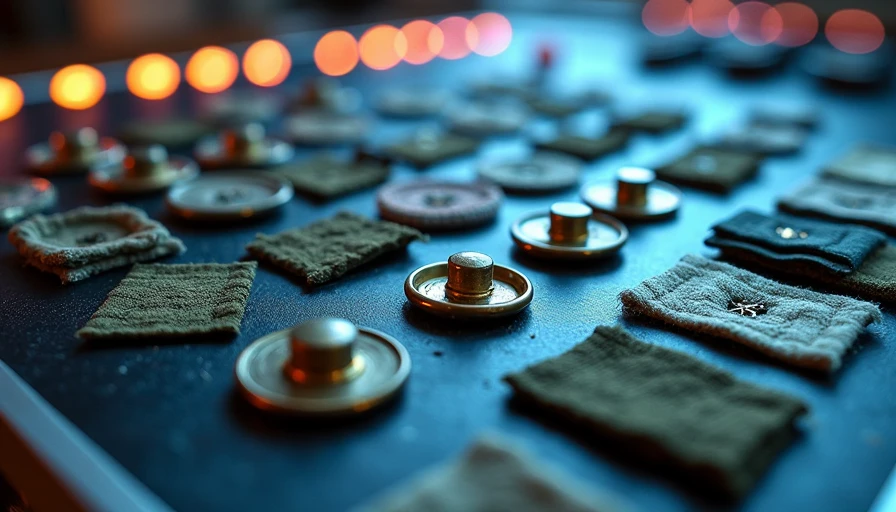
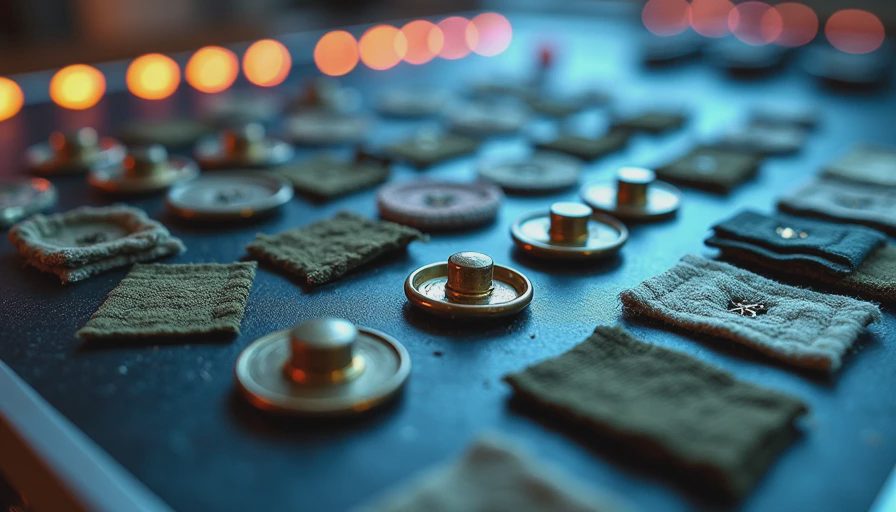
Not all army-surplus jackets are created equal. If you want the real thing—not a modern reproduction—look for a few key markers. First, the label. Vintage U.S.-issued jackets usually have a contract number (e.g., DSA 100-69-C-1234) and a date. Jackets from the 1950s through 1970s are common and affordable; earlier ones from WWII fetch much higher prices. Second, the hardware. Genuine vintage zippers are brass or nickel, often from brands like Talon or Conmar. The buttons—if any—should be metal and stamped. Fabric is another giveaway: old cotton sateen or wool has a specific weight and drape. Synthetic blends didn’t appear until later. For women, sizing can be tricky because these jackets were cut for men. Don’t be afraid of a size that seems too big—a loose fit is part of the appeal. Measure the chest and shoulders before you buy, but a slight drop-shoulder can look fantastic.
Styling a Vintage Military Jacket for Women Today
A vintage military jacket women can wear year-round with the right styling. In cooler months, layer it over a chunky sweater or a hoodie. The contrast of a soft, feminine top against the stiff military fabric works beautifully. In spring, throw it over a slip dress or floral midi skirt—the tough exterior balances the delicate print. I often roll the sleeves to show a bit of forearm or to reveal a contrasting lining. For a more polished look, choose a shorter M-65 style and pair it with high-waisted trousers and loafers. The trick is to avoid looking like you’re in costume. Leave the combat boots at home if you’re not feeling it; sneakers or ankle boots work just as well. The jacket should be the star, not part of a uniform.

Where to Find Your Own
Finding an authentic vintage military jacket women can rely on takes patience. Army-navy surplus stores are the obvious place, but not all carry truly old stock. Look for shops that specialize in deadstock or vintage surplus. Online, eBay and Etsy have endless listings, but you have to filter carefully. Search for “M-65 field jacket 1960s” or “vintage olive wool jacket” and scrutinize the photos. Prices range from $40 for a run-of-the-mill M-65 to $200 for a pristine WWII model. Don’t overlook local flea markets and estate sales—I’ve found some of my best jackets buried under piles of linens. And if you’re open to reproductions, brands like Alpha Industries and Schott make modern versions that still have the right look, though they lack the true patina. For me, the hunt is half the joy. When you finally pull out a jacket with a faded ink stamp inside the collar, you know you’ve found something real.
Caring for Your Vintage Jacket
Once you own a vintage military jacket women should care for it properly to preserve its history. Most cotton or wool jackets can be dry-cleaned, but spot-cleaning is often enough. Avoid frequent washing—it strips the patina. For stains, use a damp cloth with mild soap. Store the jacket on a sturdy hanger in a dry closet. Mothballs are a no; instead, use cedar blocks if you’re worried about insects. If the jacket has a liner that’s torn, repair it with a simple stitch—visible mending adds character. Remember, a jacket that’s been through decades can handle a little more wear. That’s the beauty of it: every scratch and fade tells a story, and now you’re part of that story too.
The best clothes don’t just age. They remember.