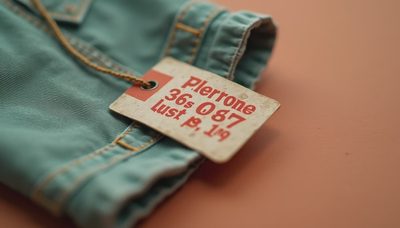
I found my first pair of vintage utility trousers women’s section of a dusty antique mall in rural Pennsylvania. They were a 1940s pair in heavy khaki cotton, with a hammer loop on the left leg, a ruler pocket down the right thigh, and a patina of wear that told me they’d been someone’s favorite work pants. The label inside read “Key Overall Co.” — a brand that hasn’t existed in decades. I paid eighteen dollars and carried them home like a secret. That was six years ago, and I still wear them weekly.
Vintage utility trousers for women aren’t just a trend. They’re a piece of functional history that straddles the line between workwear and fashion, and they’ve earned a permanent spot in my wardrobe. If you’re tired of fast-fashion cargo pants that fall apart after three washes, these are the real thing. Let’s talk about why they matter, how to style them, and where to find your own pair.
The History of Utility Trousers
Utility trousers were born from necessity. In the 1930s and 1940s, factories and farms needed durable clothing that could withstand heavy use. Brands like Carhartt, Dickies, and Lee started producing these pants for men, but women quickly adopted them during WWII when they took over industrial jobs. The design was pure function: sturdy cotton duck or twill, multiple pockets for tools, reinforced seams, and a relaxed fit for movement. After the war, women kept wearing them for gardening, home repairs, and casual wear, though they were rarely marketed directly to them until the 1990s.
What makes these trousers special is the construction. Look for selvedge seams, metal rivets, and heavy-duty buttons. The older pairs often have a straight leg with a higher rise — a silhouette that flatters many body types and feels liberating after years of low-rise jeans. The fabric develops a beautiful fade over time, molding to your shape like a good leather boot.
Why They Work for Women Today
Vintage utility trousers women love today because they solve a problem: finding pants that are both practical and stylish. The modern version from many brands is often made with cheap fabric and fake pocket flaps. Original vintage pairs offer authentic details that you can’t replicate. They sit comfortably at your natural waist, leaving room for movement, and the pockets actually hold things — a phone, keys, a pocket knife — without bulging awkwardly. Plus, they’re almost always made from 100% cotton, which breathes better than synthetic blends.
There’s also an environmental argument. Buying vintage keeps these durable garments out of landfills and reduces demand for new production. One pair of vintage utility trousers can outlast five pairs of new fast-fashion cargos. They’re a investment in longevity.
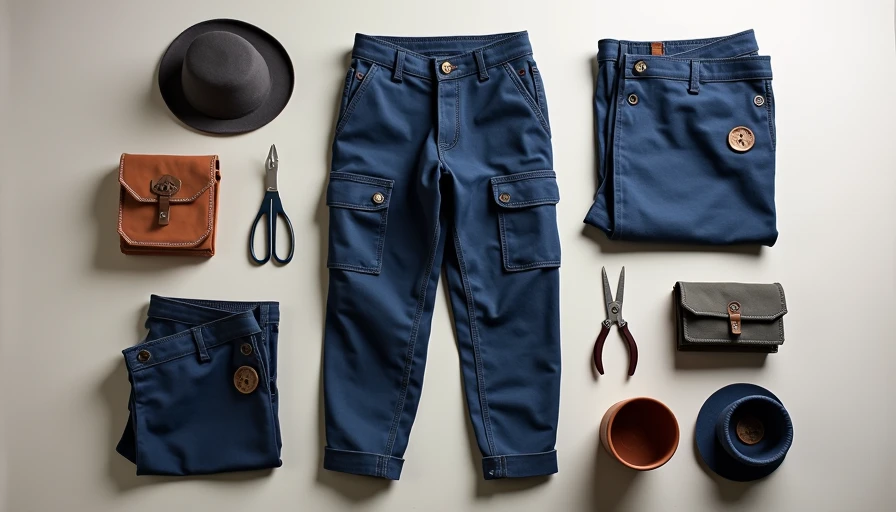
Styling Your Vintage Utility Trousers
The beauty of these trousers is their versatility. I’ve worn mine to flea markets, casual dinners, and even to the office (with a blazer and loafers). Here are a few go-to looks:
- **With a fitted tee and boots:** Tuck a plain white or black t-shirt into the trousers, add a pair of engineer boots, and you have an instant tough-chic outfit. Add a leather jacket for cooler weather.
- **With a vintage blouse:** For a softer contrast, wear an oversized silk blouse or a button-down with the sleeves rolled. Loafers or mules keep it polished.
- **Layered with a sweater:** A chunky cable-knit sweater worn half-tucked looks cozy and intentional. Finish with sneakers for a relaxed weekend vibe.
Pay attention to the rise. High-waisted pairs (11-12 inch rise) are most common in vintage and look great with crop tops or tucked shirts. If you find a mid-rise pair, they work well with longer tops or untucked button-downs. Avoid low-rise vintage utility trousers — they’re rare but tend to cut awkwardly.
Where to Find Them
Sourcing vintage utility trousers takes patience, but the hunt is part of the appeal. Start with physical sources: antique malls, estate sales, and thrift stores in rural or industrial areas where workwear was common. I’ve had the best luck in Pennsylvania, Ohio, and upstate New York. Look in the men’s section too — many vintage utility trousers are unisex, and a 30-inch waist in men’s often fits a women’s size 4-6. Don’t be afraid to try on a pair that looks big; they can be cinched with a belt.
Online options include Etsy, eBay, and dedicated vintage workwear shops like Filson’s vintage line or Brooklyn’s own What Goes Around Comes Around. Search for terms like “1940s work pants,” “vintage carpenter pants,” “army fatigue trousers,” or “vintage utility trousers women.” Prices range from $30-$80 for common finds to $150-$300 for rare labels (like early 20th-century Carhartt or Lee). Avoid reproductions unless they’re from a brand with high-quality construction, like Rogue Territory or Railcar Fine Goods.

Caring for Your Find
Once you score a pair, treat them gently. Vintage cotton needs careful washing: turn them inside out, use cold water and a mild detergent, and line dry to preserve the color and prevent shrinkage. If they have stains, try a gentle soak with OxiClean before resorting to harsh chemicals. For delicate trims or patched areas, hand wash. Store them flat or hung by the waistband — avoid folding over hangers that can create creases.
Mending is part of the story. If you find a pair with worn knees or a torn pocket, consider visible mending with contrasting thread or a patch made from a scrap of vintage fabric. It adds character and extends life. The best clothes don’t just age. They remember.
Conclusion
Vintage utility trousers women have been reaching for these pants for nearly a century. They’re a bridge between practicality and personality, between past and present. Whether you’re a longtime vintage enthusiast or just starting to explore, a pair of these trousers can become a favorite piece — one that holds your own story alongside the decades of wear before you. So hit the flea market, dig through the racks, and find the pair that feels like it was made for you. It probably was.