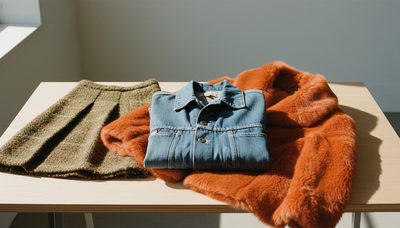
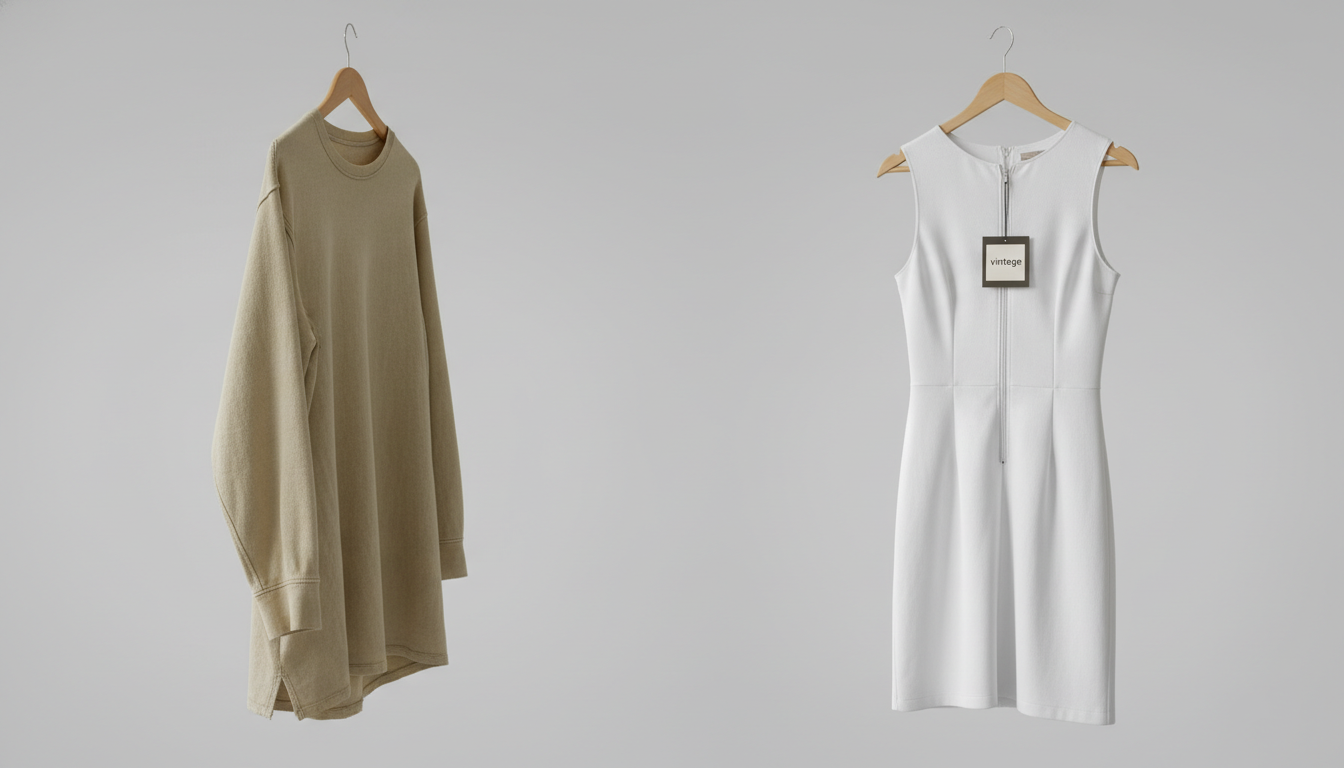
Words mean things. “Vintage” isn’t just a tag you slap on anything from high school.
I see it everywhere now. Depop. Instagram. Flea markets. People calling jeans from a few years ago “vintage.” A shirt from the last decade with a “vintage Y2K” tag. Y2K was the year 2000. That’s not even close.
It makes me frustrated in a way I can’t quite explain. Not angry at any one person. Just tired. Tired of watching a word that used to mean something get stretched until it breaks.
Most people agree vintage means at least twenty years old. Some say twenty-five. Some push it to thirty. But ten? Absolutely not. That dress was on a fast fashion rack when I was in my twenties. I remember that dress. It’s not vintage. It’s just old. And those two things are not the same.
What “Vintage” Actually Means
The Twenty-Year Rule (And Why It Exists)
The twenty-year rule isn’t random. Someone didn’t pick that number out of a hat. Twenty years is roughly one generation. Long enough for trends to cycle completely. Long enough for fabric technology to change. Long enough for manufacturing methods to be different.
A twenty-year-old garment comes from a different world than a much newer one. The factories, the materials, the people who made it. All different.
Where the Line Used to Be
I remember when “vintage” meant something special. You couldn’t just find it anywhere. You had to hunt. Estate sales. Goodwill bins. The back corner of a thrift store that smelled like someone’s attic.
When you found a real vintage piece, you knew it. The weight was different. The tag was different. Even the way it folded was different.
Now that word is everywhere. And nowhere.
What It’s Become
Now “vintage” is a marketing tag. A way to sell a recent polyester dress for twice what it’s worth. A way to make something ordinary feel special.
I see a top from just a few years ago listed as “vintage Y2K” and I want to throw my phone across the room. Y2K was a specific cultural moment. It happened. It ended. This is not that.
Why Age Matters More Than You Think
Here’s what people don’t understand. The difference between a garment from the last decade and one from the 1990s isn’t just a number on a tag.
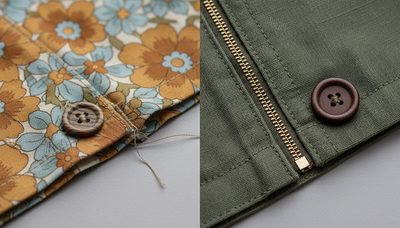
In the 1990s, people were still buying clothes made differently. Heavier fabrics. Metal zippers. Seams that were finished because someone cared. Last decade? That’s the era of fast fashion. Thin materials. Plastic everything. Tags written in a font you recognize from the mall.
Completely different worlds. Completely different clothes.
Calling a dress from a few years ago “vintage” is like calling a smartphone from last year “retro.” No. It’s just used. And that’s fine. But it’s not vintage.
Why the Difference Matters

You Can Feel Real Vintage in Your Hands
I’ve touched thousands of old garments. A 1970s cotton shirt has a weight you can feel in your hand. Not heavy exactly. Dense. The fibers are tighter. The weave is closer. The fabric remembers being made differently.
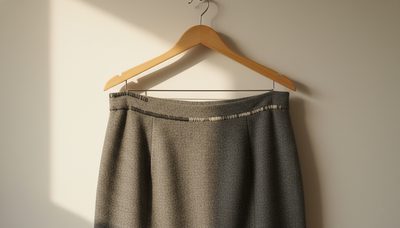
A 1950s skirt has stitching you don’t see anymore. Small stitches. Even stitches. Stitches that someone sat and made by hand because that’s how you did it then.
A 1940s dress has seams that were finished so they wouldn’t fray. Finished by hand. On the inside where nobody would see. Someone still did the work.
You don’t get that from clothes made in the last ten years. You get plastic zippers. Thin fabric that pills after three washes. Tags that feel like they’ll disintegrate if you look at them wrong.
Real Vintage Survived Something
A sixty-year-old dress didn’t get here by accident. It survived moves. Bad storage. A closet purge in the 1980s. Someone’s mom saying “get rid of that old thing.”
It survived because someone kept it. Because it was worth keeping. Because the person who owned it thought “this might matter someday.”
A dress from just a few years ago hasn’t survived anything. It just hasn’t been thrown away yet.
The Difference Is Honesty
Here’s what bothers me most. It’s not that people sell newer clothes. Sell whatever you want. It’s not that people buy newer clothes. Buy whatever makes you happy.
It’s the lying. Calling something “vintage” when it isn’t is a lie. A small one. But a lie.
It confuses people. A new shopper walks into a store or opens an app, sees “vintage” on everything, and starts to think a recent polyester dress is something special. It’s not. It’s just used. And that’s fine. Used is fine. But it’s not vintage.
What Hurts Most
Real Vintage Gets Buried
Every time someone calls a recent shirt “vintage,” it makes it harder for people to learn what real vintage looks like. Feels like. Smells like.
The real stuff gets buried under all the fake labeling. A 1960s dress that survived sixty years deserves a different word than a top from the last decade.
One of those things is history. The other is just last Tuesday.
The Education Problem
I talk to young shoppers sometimes. People in their early twenties who just discovered thrifting. They tell me they’re looking for “vintage Y2K” and show me a picture of something from a few years ago.
I don’t blame them. They don’t know. How would they? Everyone around them is using the word the same wrong way.
The word has lost its meaning because too many people decided the meaning didn’t matter.
It Breaks My Heart a Little
Not a big dramatic heartbreak. Just a small one. The kind you feel when you watch something good get worn down by people who don’t care.
I love old clothes. I love the way they feel. The way they smell. The stories they carry. The word “vintage” used to point toward all of that. Now it sometimes points toward a blazer from a few seasons ago.
That’s not vintage. That’s just a Tuesday.
Stop Stealing the Word
What You Can Do
Next time you see something labeled “vintage,” ask the year. Not the “era.” Not the “vibe.” The actual year.
If they can’t tell you, or if the answer is “like, a few years ago,” walk away. Or don’t. Just know what you’re buying. Know that you’re buying a recent piece of fast fashion with a fancier label slapped on it.
Be Honest With Yourself
I’m not saying you can’t buy newer used clothes. Buy them. Wear them. Love them. Just don’t call them something they’re not.
A dress from the last decade is just that. A dress from the last decade. That’s fine. That’s honest.
Call it “used.” Call it “secondhand.” Call it “thrifted.” All of those words are true. None of them are pretending to be something else.
Let the Word Mean Something Again
Vintage used to mean something specific. Twenty years old at minimum. Different materials. Different construction. Different feel.
It can mean that again. But only if we all stop stretching it. Only if we start saying “that’s not vintage” when we see something that isn’t.
I’m not trying to be the word police. I don’t care about rules for no reason. I care because the word matters. It points to something real. Something worth protecting.
Let’s not lose that.
What’s the oldest thing in your closet? Not the thing someone labeled “vintage” on an app. The actual oldest thing you own. The one that has been around longer than you have.
Think about it. Maybe even wear it tomorrow.