
I found it on a rainy Saturday at the Williamsburg Flea Market, buried under a pile of 90s rayon blouses that had seen better decades. The vendor, a woman with silver rings on every finger and a skeptical eyebrow, pulled it out like a reluctant show-and-tell. It was a Brock Collection vintage dress — lace overlay, bias-cut slip underneath, in a shade of dusty rose that looked like it had been steeped in tea for a hundred years. I knew immediately it was coming home with me.
That dress changed something in how I think about romance in fashion. Not the red-carpet kind of romance, but the quiet kind — the kind that lives in a fabric's memory. Brock Collection, the label started by Laura Vassar and Kristopher Brock in 2013, has always had a way of making clothes that feel both ancient and urgent. Their early pieces, now considered Brock Collection vintage by collectors, were handcrafted in New York with an eye toward Victorian undergarments and 1940s slip dresses. This dress was from their second season, and you could tell it was made by people who cared about seams.
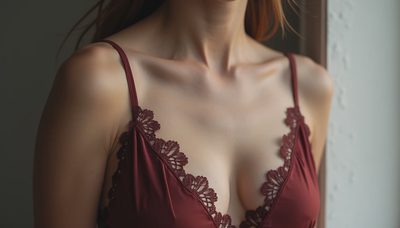
The lace was not the scratchy, mass-produced kind you find at chain stores. It was a Chantilly-style floral pattern, soft against the skin, with tiny hand-embroidered flowers scattered across the bodice. The slip underneath was silk charmeuse, cut on the bias so it skimmed the body without clinging. I held it up to the gray sky and watched the light filter through the lace like stained glass. The vendor saw my face and said, "That one's been waiting for someone who gets it."
I paid $80 — more than I usually spend at flea markets, but less than what this piece would go for on a vintage resale site. Back home, I laid it out on my bed and examined every detail. The label was the original Brock Collection tag: a simple cream rectangle with black text, slightly yellowed. The seams were finished with French seams, and the hem had been hand-rolled. These are the signs of a well-made garment, the kind that can survive decades and still feel alive. That's the thing about a Brock Collection vintage piece: it was built to last, not to trend.

What Makes a Brock Collection Vintage Piece Special
The Brock Collection brand has always occupied a strange space in fashion. It's not quite mainstream, not quite obscure. The designers draw from historical lingerie, Edwardian tea dresses, and 1970s bohemia — but they filter it through a contemporary lens of clean lines and subtle draping. When you find a Brock Collection vintage piece, you're getting something that was never mass-produced. Each garment was made in small batches, often with deadstock fabrics or limited runs of custom textiles.
The lace on my dress, for example, was sourced from a French supplier that has since gone out of business. That means every Brock Collection vintage piece from that era is unique — you won't find a duplicate at a department store. The construction is also a giveaway. Look for signature details like exposed zippers with silk ribbon pulls, bias-cut panels that follow the body's natural curves, and delicate hand-stitching on the linings. These are the hallmarks of a brand that cares about craft.
Another thing that sets Brock Collection vintage apart is the weight of the fabric. Many vintage-inspired brands use thin, flimsy materials that feel cheap. But Brock Collection pieces have a density to them — the lace has body, the silk has heft. You can feel the quality in your hands. When you put it on, it moves with you, not against you. That's the difference between clothing that's made to be worn once and clothing that's made to be passed down.
How to Spot an Authentic Brock Collection Vintage Garment
As with any sought-after vintage label, fakes and reproductions exist. But there are a few telltale signs that you're looking at the real thing. First, check the tag. Early Brock Collection tags (from 2013 to 2016) are cream with black text, often with a small embroidered logo underneath. The tag should be sewn into the side seam or the back neck, not glued. Second, examine the seams. French seams or flat-felled seams are a good sign. If the inside looks like it was finished with a serger and left raw, it's probably not a Brock Collection vintage original.
Third, look at the fabric composition. Brock Collection vintage pieces from those early seasons often used silk, linen, and cotton — with occasional synthetic blends for structure. If the tag says "100% polyester" and the design looks vaguely Brock-inspired, it's likely a fast fashion dupe. The brand also used unique buttons and closures: mother-of-pearl, carved wood, or vintage glass. If the buttons look modern or plastic, be suspicious.
Finally, trust your instincts and your hands. If the fabric feels wrong — too stiff, too slippery, too lightweight — it probably is. A genuine Brock Collection vintage garment has a particular hand feel: soft but substantial, like something that has been washed and worn with care. My dress feels like a second skin, but a skin that remembers its shape.

Styling a Brock Collection Vintage Dress for Modern Life
The question I get most often from styling clients is: "How do I wear this without looking like I'm wearing a costume?" It's a fair concern. Vintage pieces, especially romantic ones, can easily veer into theatrical territory. But a Brock Collection vintage dress is surprisingly versatile. Because the silhouette is simple — slip dress with lace overlay, or a shift dress with delicate trim — it acts as a neutral canvas. You can dress it down with chunky boots and a denim jacket, or dress it up with modern gold jewelry and strappy heels.
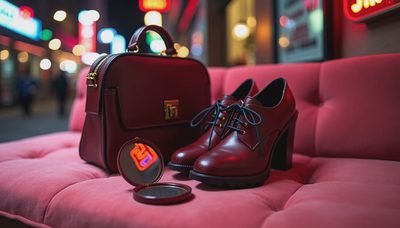
I wore my Brock Collection vintage dress to a birthday dinner last month with a pair of scuffed leather ankle boots and a simple cashmere cardigan. It felt right — not like I was playing dress-up, but like I was honoring the garment's history while making it my own. That's the goal. The best vintage pieces don't ask you to become someone else; they invite you to bring your own story to the fabric.
For daytime, try layering a Brock Collection vintage slip dress over a thin turtleneck or a white T-shirt. The contrast between the delicate lace and the casual knit keeps the look grounded. At night, wear it alone with statement earrings and a bold lip. The dress does the work — you just have to trust it.
Caring for Your Brock Collection Vintage Treasure
Vintage textiles require a gentle hand. My golden rule: when in doubt, hand wash in cold water with a mild detergent designed for delicates. For lace and silk, avoid wringing — press the water out with a clean towel and lay flat to dry. Never use bleach or fabric softener, and keep the dress out of direct sunlight to prevent fading.
If the piece has stains or odors, take it to a professional dry cleaner who specializes in vintage fabrics. Not all dry cleaners understand how to handle delicate silks and laces. I've had too many friends bring home a Brock Collection vintage find only to have it ruined by harsh chemicals or high heat. Better to be cautious.
Store your Brock Collection vintage garment in a cotton garment bag, not plastic, and hang it on a padded hanger to preserve the shoulder shape. If you're short on space, fold it with acid-free tissue paper. The goal is to keep it preserved for the next person who might find it at a flea market fifty years from now — because the best clothes don't just age. They remember.
Why I Keep Coming Back to Brock Collection Vintage
Every time I open my closet, that dusty rose dress catches my eye. It's not the most expensive piece I own, or the rarest, but it's the one that makes me feel something. It reminds me that fashion doesn't have to be new to be meaningful. A Brock Collection vintage dress holds the fingerprints of the seamstress who stitched the lace, the designer who cut the pattern, the woman who wore it to a party in 2014. I'm just the latest chapter in its story.
If you come across a Brock Collection vintage piece at a flea market, a thrift store, or an online resale shop, don't hesitate. Pick it up. Hold it to the light. Feel the weight of the fabric. Ask yourself if it has something to say. And if it does, take it home. You'll be adding your voice to a conversation that started long before you arrived.