I found my first OG-107 uniform at a flea market in Pennsylvania, buried under a pile of 1990s band tees. The fabric was heavy—a thick cotton sateen that felt like it had stories woven into every thread. I didn't know it then, but I was holding a piece of American military history that would become one of the most versatile pieces in my wardrobe. The OG-107 uniform, with its distinctive olive green shade and utilitarian design, has transcended its original purpose to become a staple for vintage enthusiasts and fashion lovers alike.
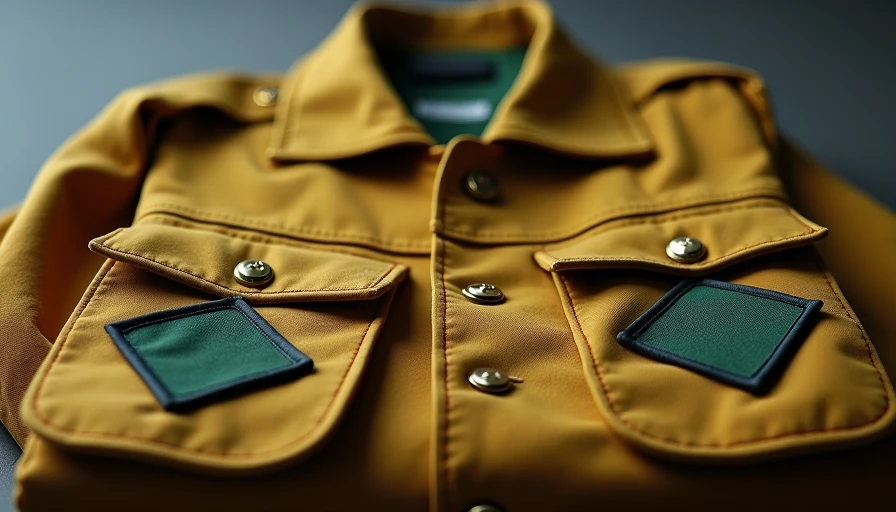
The OG-107 uniform was introduced by the U.S. Army in 1952 and remained in service until 1989. It replaced the earlier HBT (herringbone twill) uniforms and set a new standard for durability and functionality. The name "OG-107" refers to the official color: Olive Green 107, a deep, earthy green that blends into woodland environments. The uniform consisted of a lightweight jacket and trousers, both made from 8.5-ounce cotton sateen, designed to be worn over a t-shirt or undershirt. The jacket featured a stand-up collar, button front, and two lower pockets with button flaps, while the trousers had a button closure, belt loops, and side pockets. This design was revolutionary for its time and influenced generations of military and workwear.
A Brief History of the OG-107 Uniform
The OG-107 uniform wasn't just a piece of clothing—it was a tool. Developed during the Cold War era, it needed to be tough enough for combat yet comfortable enough for everyday wear. The cotton sateen fabric was chosen for its ability to breathe in hot climates while holding up under harsh conditions. The jacket's high collar offered neck protection, and the roomy pockets allowed soldiers to carry essentials without needing a vest. The uniform saw action in Korea, Vietnam, and every conflict in between. By the time it was phased out in favor of the Battle Dress Uniform (BDU), millions had been produced. That's why even today, finding an authentic OG-107 uniform isn't rare—but finding one in good condition with original buttons and tags takes some digging.
Why the OG-107 Uniform Still Feels Relevant Today
The beauty of the OG-107 uniform lies in its simplicity. In an age of fast fashion and ever-changing trends, this garment is a reminder that good design doesn't need to be complicated. The straight-leg trousers have a silhouette that works for almost everyone—they're not too baggy, not too slim, with just enough ease to tuck in a shirt or layer over jeans. The jacket is equally forgiving, hitting at the hip and allowing freedom of movement. Fashion houses have taken note: brands like Ralph Lauren, Carhartt, and even high-end designers have riffed on the OG-107's proportions. But nothing compares to the real thing. The weight of the cotton, the way the fabric softens over decades of washing, the subtle wear patterns that tell a story you can never replicate—these are the details that make vintage so special.
How to Style the OG-107 Uniform Without Looking Like You're in Costume
There's a fine line between wearing vintage and wearing a costume. The OG-107 uniform can easily tip into the latter if you pair it with other military surplus items. Instead, let the uniform be the centerpiece and keep the rest modern. Here are a few ways I style mine:
- **The jacket with jeans:** Wear the OG-107 jacket open over a white t-shirt and your favorite straight-leg jeans. Add simple sneakers or loafers. The green adds a pop of color without screaming "army."
- **The trousers as workwear:** The OG-107 trousers pair beautifully with a chambray shirt or a simple sweater. Cuff the bottoms to show a little ankle, and finish with desert boots or canvas slip-ons. They're sturdy enough for a day at the flea market but polished enough for coffee with a friend.
- **The full suit for the bold:** If you're feeling confident, wear both pieces together—but break up the uniformity with a contrasting belt and some jewelry. A silk scarf tied around the neck or a vintage watch can soften the military vibe.
The key is treating the OG-107 uniform like any other vintage piece: honor its history, but make it yours.
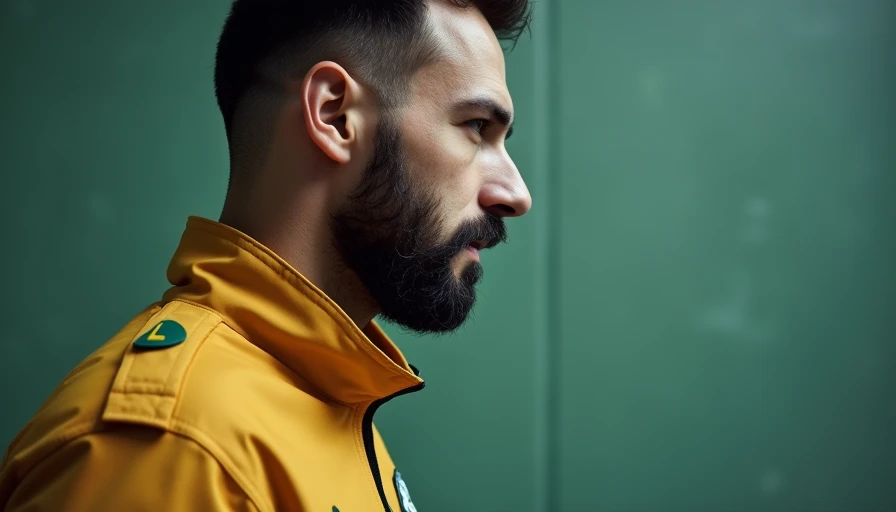
How to Spot an Authentic OG-107 Uniform
With popularity comes reproductions. If you're hunting for a genuine OG-107 uniform, here's what to look for:
- **Tags:** Original tags will say "U.S. ARMY" or "CONTRACT" with a date. Look for dates between 1952 and 1989. The tags are usually made of a stiff, woven cloth and sewn into the collar or waistband.
- **Buttons:** The jacket has four brass or anodized aluminum buttons down the front, plus smaller buttons on the pockets. They should be stamped with a manufacturer mark.
- **Fabric:** Authentic OG-107 is made from 100% cotton sateen, about 8.5 oz weight. It has a subtle sheen and feels substantial. Reproductions often use a lighter or shinier fabric.
- **Stitching:** The uniforms were built to last, so the seams are straight and double-stitched in high-stress areas. Loose threads or sloppy stitching are red flags.
- **Era details:** Early versions (1952–1960s) have a darker, more olive shade and a longer jacket. Late versions (1970s–80s) are slightly lighter and have a shorter cut.
A good condition OG-107 uniform can cost anywhere from $40 to $150, depending on size and rarity. Be patient, and always check the armpits and collar for stains or fraying—those are the first to go.
Caring for Your OG-107 Uniform
These uniforms were made to last, but they need gentle handling now that they're 30–70 years old. Wash on cold, gentle cycle with a mild detergent. Hang dry to preserve the fabric and prevent shrinkage. If you need to iron, use medium heat and avoid the buttons. Over time, the cotton will develop a beautiful patina—creases that never really come out, fades that tell you where the sun hit. That's part of the charm. The best clothes don't just age. They remember.
So next time you see an OG-107 uniform at a thrift store or flea market, stop and take a closer look. Feel the heft of the fabric, read the tag, imagine the soldier who wore it before. And then wear it yourself, not as a costume, but as a connection to the past.