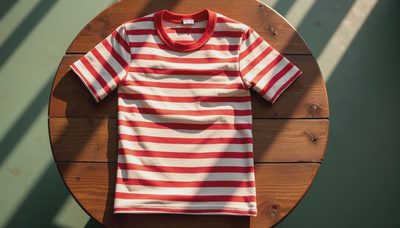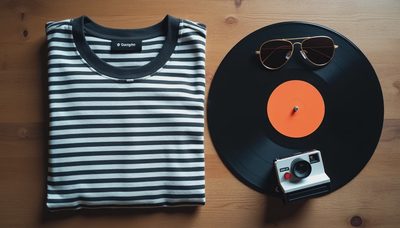
There's something about an orange and black striped shirt that feels like a secret handshake. It's not a piece you see every day—not the kind of thing that lands in every thrift store pile. When you find one, it's like the garment has been waiting for you. The best clothes don't just age. They remember.
I found mine at the Williamsburg Flea Market on a grey November morning. It was wedged between a 1970s Pendleton wool shirt and a pair of worn Levi's 501s. The vendor didn't even look up when I picked it up, but I knew. The fabric was a sturdy cotton broadcloth, the stripes a perfect 3/4-inch repeat of burnt orange and deep charcoal. The tag read "Hathaway"—a brand better known for white button-downs, but here was something different.
This orange and black striped shirt isn't a costume. It's not Halloween, not a sports team jersey. It's an object that belongs to a specific moment in American manufacturing, when stripes meant something. Let me tell you what I've learned about it.
A Brief History of the Striped Shirt
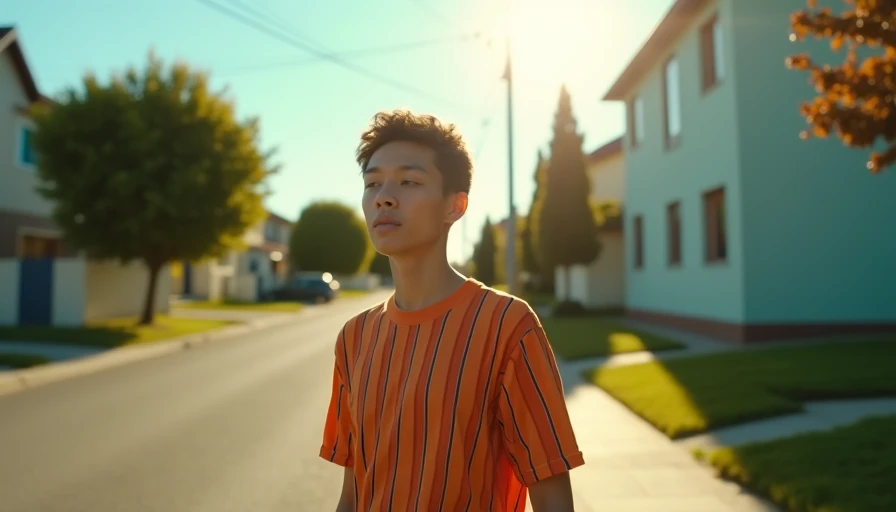
Stripes have been around for centuries, but the striped shirt as we know it—the casual, ready-to-wear button-down—really took off in the mid-20th century. In the 1950s and 60s, companies like Hathaway, Arrow, and Gant produced striped shirts for men who wanted to break from the solid-white-shirt uniform without going too far. An orange and black striped shirt from that era would have been considered bold but respectable—the kind of thing an advertising executive might wear on a casual Friday, or a jazz musician might pair with a slim tie.
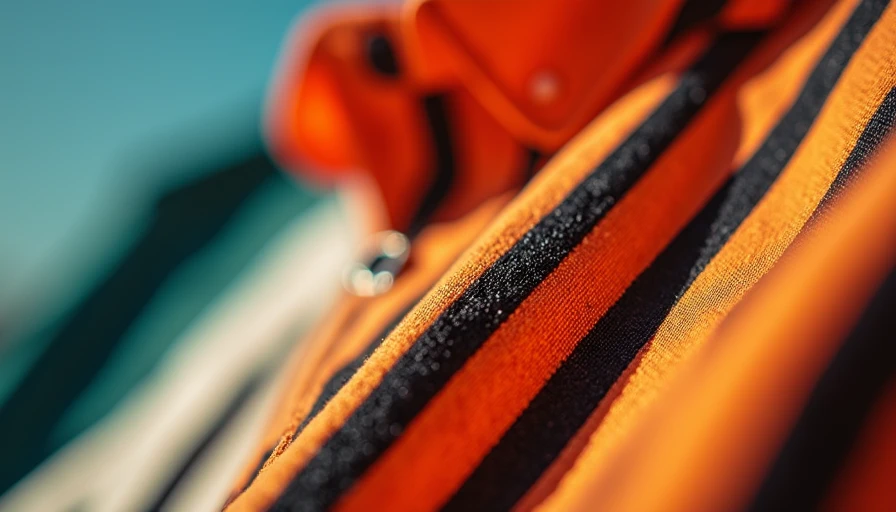
What makes a vintage striped shirt special is how the stripes are aligned. On a well-made shirt, the stripes match perfectly at the placket, the collar, and the yoke. That's a sign that it was cut from a single piece of fabric, not pieced together from remnants. It takes extra fabric and skill to do that, and it's something you rarely see in modern fast-fashion versions.
The fabric tells a story too. That Hathaway shirt I found? The cotton has a subtle slub—slight irregularities in the weave—that means it was spun on older machinery. It's not perfectly smooth, and that's a good thing. It breathes better, wears softer over time, and has a texture you can feel through your fingertips.
Styling Across Eras
One of the things I love most about an orange and black striped shirt is how it moves through decades. In the 1960s, it might have been worn with slim chinos and loafers—a clean, confident look. In the 1970s, it could have been left untucked over bell-bottoms, the collar open wide. By the 1990s, it was a grunge staple, worn under a thrift-store cardigan or with ripped jeans.
Today, styling a vintage orange and black striped shirt is about letting its history speak. I wear mine with high-waisted dark denim and a pair of unlined leather oxfords. The key is not to overthink it. Let the stripes be the focal point. Avoid other patterns that compete—stick to solids, textures, and neutrals. A velvet blazer in forest green? Yes. A floral scarf? Probably not.
For a more casual look, roll the sleeves to just below the elbow, leave the top two buttons undone, and tuck it loosely into a pair of wide-leg corduroys. The orange brings warmth to fall outfits; the black keeps it grounded. It's a shirt that works equally well with a denim jacket or a wool peacoat.
Caring for Vintage Stripes
If you find an orange and black striped shirt you love, take care of it. Vintage cotton is often more delicate than modern fabric because the fibers have aged. Always wash it on a gentle cycle in cold water, or hand-wash if you're unsure. Use a mild detergent—something without optical brighteners that can discolor dyes. Never put it in the dryer. Hang it to dry on a padded hanger, or lay it flat on a towel.
Ironing a striped shirt is an art. Iron while the fabric is still slightly damp, and press on the wrong side to avoid shine. Pay attention to the stripes: if you iron diagonally, you can stretch the weave and distort the pattern. Take your time. This is a garment that deserves patience.
If you notice small holes or fraying at the collar and cuffs, don't panic. Visible mending can extend the life of a striped shirt beautifully. A simple sashiko running stitch in cream thread along the collar edge, or a neat patch behind an elbow hole, adds character. The stripes actually help camouflage repairs—the pattern confuses the eye.
Finding Your Own
Hunting for an orange and black striped shirt at flea markets or estate sales requires a bit of knowledge. Look for stripes that are woven, not printed. Woven stripes are part of the fabric itself, created by alternating colored threads in the weave. Printed stripes are just ink on the surface—they fade quickly and don't have the same depth.
Check the buttons. Mother-of-pearl or plastic that has yellowed with age? Good signs. Cheap plastic that looks new? Likely a reproduction. Also check the inside seams: flat-felled seams (where the raw edge is enclosed) are a hallmark of quality. Overlocked edges with a serger suggest a later, less careful construction.
An orange and black striped shirt is out there, waiting to be worn again. It's not a trend piece. It's a conversation, a connection to the hands that cut the fabric and the person who wore it before you. When you find one, you'll know. And when you slip it on, you'll feel the weight of that history—light as cotton, solid as a seam.
The best clothes don't just age. They remember.