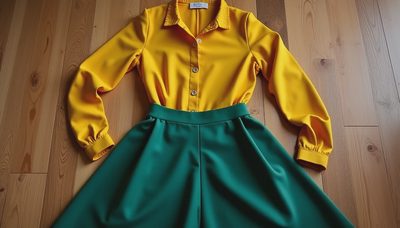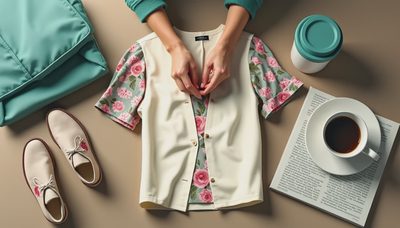
I found my first vintage grad dress at a flea market in Williamsburg, buried under a pile of 1980s denim jackets. It was a pale pink 1950s cocktail dress — tea-length, with a boned bodice and a full tulle skirt that whispered when I moved. The seller told me it had been worn to a high school graduation in 1957. I bought it for forty dollars, and it became one of my most treasured pieces. That’s the thing about vintage grad dresses: they carry not just fabric, but memory.
Graduation is one of those rare milestones where what you wear matters beyond the photo. It’s a rite of passage. And while department stores will try to sell you something new, the most interesting choice is often one that’s already been lived in. Vintage grad dresses offer something fast fashion can’t: a story, a history, and a fit that was engineered to last generations.
Why Choose a Vintage Graduation Dress?
First, let’s talk about quality. Dresses from the 1950s, 1960s, and even early 1970s were often made from natural fibers — silk, cotton, wool — and constructed with techniques like French seams, boning, and full linings. These details aren’t common in modern mid-range dresses. When you buy a vintage graduation dress, you’re getting a garment that was built to be worn, altered, and passed down. That’s a kind of sustainability that doesn’t need a marketing campaign.
Second, vintage grad dresses are inherently unique. You won’t show up at the ceremony in the same dress as half your class. Whether it’s a 1960s shift dress with geometric print or a 1970s bohemian maxi, you’ll have a look that’s entirely your own. And because graduation photos last forever, why not make them interesting?
Third, there’s the environmental angle. The fashion industry is one of the largest polluters in the world. By choosing vintage, you’re refusing to participate in the cycle of new production. You’re giving a second life to a dress that already exists — and that’s a powerful statement for a ceremony that’s all about new beginnings.

Where to Find Vintage Grad Dresses
The hunt is half the fun, but it helps to know where to look. Here are my go-to sources:
- **Estate sales and flea markets**: These are goldmines for vintage clothing from the 1940s through 1970s. Look for sales in older neighborhoods, especially those near colleges — you’ll often find graduation dresses that were worn once and then stored carefully.
- **Online vintage shops**: Sites like Etsy, Depop, and Vinted have robust vintage sections, but you have to be savvy. Look for sellers who provide measurements and detailed photos of the condition. Reputable sellers like @thrifted_and_found on Instagram often curate collections of special occasion wear.
- **Thrift stores**: Not every thrift store has a dedicated vintage rack, but if you’re patient, you can find gems. Focus on stores in areas with older populations — the turnover of estate donations is higher.
- **Family closets**: The most obvious place: ask your grandmother, aunt, or family friend. Many women kept their graduation dresses, and they might be thrilled to see it worn again.
How to Choose the Right Vintage Graduation Dress
Not every vintage dress is right for graduation. Here’s what to look for:
**Condition**: Check for stains, tears, and weak seams. Avoid dresses with heavy underarm discoloration that can’t be cleaned. Missing buttons are fixable; missing fabric is not.
**Fit**: Vintage sizing is different from modern sizing. Always check the bust, waist, and hip measurements against your own. The good news: many vintage dresses have generous seam allowances, so they can be let out an inch or two. Taking in is also easier than letting out.
**Fabric**: Natural fibers breathe better and photograph well. Silk charmeuse drapes beautifully; cotton eyelet is light and romantic; taffeta keeps its structure. Avoid anything that feels plastic-y or has a strong chemical smell — that’s a sign of polyester that may have degraded.
**Occasion appropriateness**: Is it a gown ceremony or a party afterward? A knee-length 1960s shift is perfect for a casual reception, while a full-length 1950s ball gown might be too much for an outdoor ceremony. Consider the venue and time of day.
Styling Your Vintage Graduation Look
Once you’ve found your vintage grad dress, the styling matters. Here’s how to make it feel current:
- **Shoes**: Vintage heels can be uncomfortable for long ceremonies, so opt for modern pumps in a complementary color. Nude or metallic is safe; a pop of red can be striking if your dress is neutral.
- **Accessories**: Keep it simple. A delicate gold necklace or a pair of drop earrings lets the dress shine. Avoid overly trendy pieces that clash with the era.
- **Hair and makeup**: If the dress is from the 1950s, a classic victory roll or a sleek low bun nods to the era without full costume. A bold red lip can tie it together.
- **Alterations**: A good tailor is worth the investment. Hem the dress to the right length, take in the waist, and add a bustle if needed. You’ll look like the dress was made for you — because in a way, it was.

Caring for Your Vintage Grad Dress
After graduation, you’ll want to preserve your dress properly. Here’s how:
- **Cleaning**: Always test a small area for colorfastness. Most vintage dresses should be dry-cleaned, but gentle hand-washing in cold water with a mild detergent (like The Laundress) works for sturdy cottons and linens. Never wring or twist the fabric.
- **Storage**: Keep the dress in a breathable garment bag (not plastic) in a cool, dark closet. Acid-free tissue paper helps maintain shape, especially for delicate shoulders and sleeves. Avoid hanging heavy dresses by thin straps — fold them instead.
- **Mending**: Small repairs like missing buttons or loose hooks can be done at home. For tears or seam splits, take it to a tailor who specializes in vintage. Visible mending with sashiko or a contrasting thread can also add character.
The Story Behind the Dress
The best vintage grad dresses don’t just look good — they come with a narrative. When you wear a dress that someone else wore to mark their own milestone, you become part of that story. I still think about the girl in 1957 who danced at her graduation party in that pink tulle dress. I wonder if she was nervous, or excited, or both. I’ll never know, but I feel connected to her through the fabric.
That’s the magic of vintage: it’s not about nostalgia for a past you didn’t live. It’s about honoring the lives that came before yours, and making their memory part of your own celebration. So when you’re choosing a dress for graduation — whether it’s high school, college, or something else — consider giving a vintage piece a second act. It’s the most sustainable, most personal, and most beautiful choice you can make.
Congratulations, graduate. Now go make new memories in an old dress.