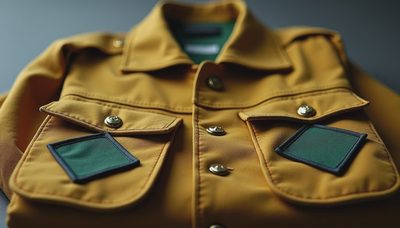
The first time I held a genuine bolero musician jacket, I was at a flea market in Brooklyn, and the owner, an older woman with silver hair and rings on every finger, told me it had belonged to her grandfather, a violinist in a traveling orchestra. That jacket—cropped, fitted, with gold braid across the chest—was threadbare at the elbows but still held its shape, like a memory you can't shake. The **bolero musician jacket** is one of those pieces that carries the echo of its past: part Spanish matador, part orchestral uniform, part punk rock stage wear. It's versatile enough to dress up a pair of jeans but dramatic enough to stand alone. Let me tell you why this jacket deserves a spot in your closet, and how to find one that tells its own story.
The History of the Bolero Musician Jacket
To understand the **bolero musician jacket**, you have to start with the bolero itself—a short, waist-length jacket that originated in 18th-century Spain, worn by matadors and dancers. By the late 19th century, it had migrated into European fashion, mostly as evening wear for women. But it was the early 20th century that gave us the musician's version: tailored a bit looser in the shoulders, often with a shawl collar, and decorated with military-style braiding or gold buttons. Orchestra musicians adopted it because it offered freedom of movement while still looking formal on stage. I've seen original examples from the 1920s and 30s that are surprisingly lightweight—made from wool or velvet, with silk lining inside. The cropped length means it doesn't bunch up when you raise your arms to play an instrument, which is why it became a staple for violinists, cellists, and even conductors.
By the 1970s, the **bolero musician jacket** had shed its orchestra-hall associations and entered rock culture. Think of the glittering jackets worn by Freddie Mercury or the velvet cropped boleros that David Bowie made iconic. The jacket became a symbol of theatricality, of performing. And that's the magic of it: it can hold both the discipline of a classical musician and the rebellion of a punk guitarist. Today, you'll find versions on Depop and Etsy, but most are reproductions. An original vintage piece from the 1930s or 40s is rarer—and worth hunting for.

Why This Jacket Belongs in Your Closet
If you're building a vintage wardrobe that doesn't look like a costume, the **bolero musician jacket** is a secret weapon. It's surprisingly wearable: throw it over a white T-shirt and wide-leg jeans, and it instantly elevates the outfit. The cropped silhouette is flattering on most body types because it cinches at the natural waist, creating a clean line. Unlike a full blazer, it doesn't overwhelm smaller frames, and it adds structure without bulk. I've styled it for clients who were afraid of looking "too vintage"—and they were shocked at how modern it felt. Pair it with a slip dress and ankle boots for an evening look, or with high-waisted trousers and a camisole for a work-appropriate ensemble.
Beyond aesthetics, there's the story factor. Every vintage **bolero musician jacket** has a past—maybe it was worn during a symphony premiere, or by a second-hand shopper in the '70s who painted the buttons gold. That narrative is part of what I love about vintage: you're not just buying a piece of clothing; you're borrowing a chapter from someone else's life. And because these jackets were built to last—often made with sturdy wools, reinforced seams, and genuine horn or metal buttons—they hold up better than most modern options.
How to Find and Style a Vintage Bolero Musician Jacket
Hunting for an authentic **bolero musician jacket** requires a bit of know-how. Start with flea markets and estate sales, especially ones near older neighborhoods or towns with historic music venues. Look for labels: Alfred Dunhill, Brooks Brothers, and vintage uniform manufacturers often produced them for orchestras. The fabric should feel substantial—wool, velvet, or a wool-cashmere blend. Check the lining: original ones were often lined with rayon or silk, and if it's ripped, that's okay (a tailor can replace it). Avoid anything with synthetic lining that feels like polyester—that's a sign of a later reproduction.
When it comes to styling, don't overthink it. The **bolero musician jacket** is a statement piece, so let it be the focal point. I wear mine with simple, neutral bottoms—black trousers, dark denim, or a midi skirt. If the jacket has gold braid or buttons, keep other accessories minimal. For a more casual look, belt it over a chunky sweater and add combat boots. The key is to avoid looking like you're wearing a costume: no Spanish dancer skirts or matching frills. Instead, mix the formal, theatrical energy of the jacket with everyday pieces. That contrast is what makes modern vintage styling work.
Caring for Your Bolero Musician Jacket
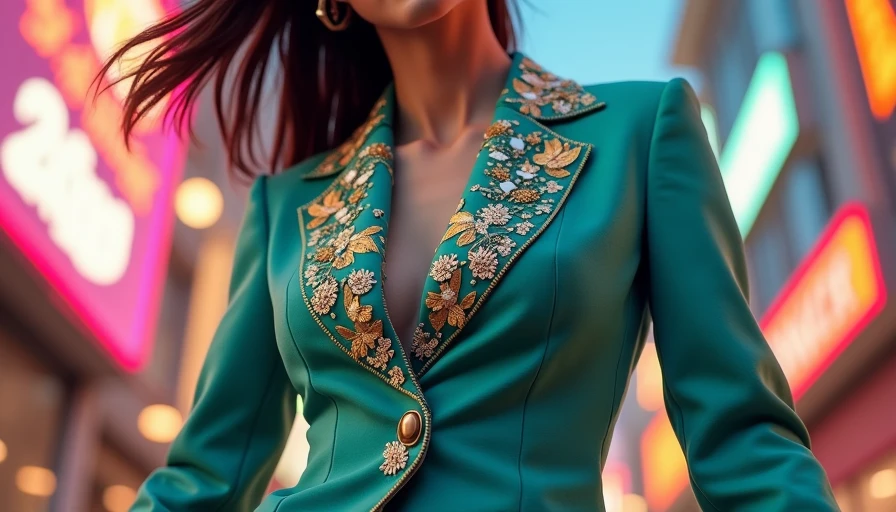
Because these jackets are often fragile—especially the vintage ones—care is essential. Always dry clean wool or velvet boleros. Store them on padded hangers to maintain the shoulder shape. If the gold braid has tarnished, a jeweler's cloth can gently polish it. For minor moth holes or loose threads, consider visible mending: a whip stitch with a contrasting thread adds character and extends the life of the jacket. I've done sashiko-style repairs on a couple of my own, and they've become conversation starters. The best clothes don't just age. They remember—and with a little care, your **bolero musician jacket** will be telling its story for decades to come.
Final Thoughts
Finding the right **bolero musician jacket** takes patience, but that's part of the appeal. It's not a fast-fashion buy; it's a relationship. Whether you're a musician yourself or just someone who loves clothes with a background, this jacket offers something most modern pieces lack: depth. So next time you're at a flea market, keep an eye out for that cropped silhouette with the braided trim. Try it on. Feel the weight of it. And if it fits—take it home. You'll be wearing more than just a jacket. You'll be wearing a history.