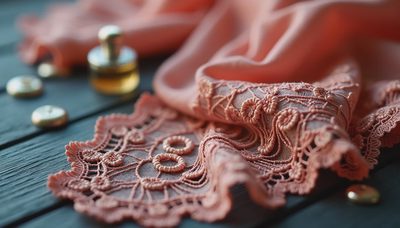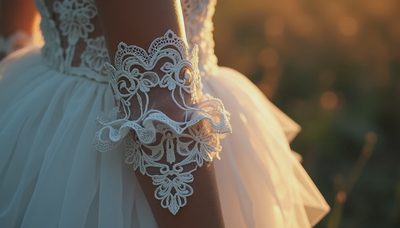
There's something about slipping into a **night dress vintage**. It's not just sleepwear—it's a connection to another era, a whisper of the hands that hemmed it and the nights it witnessed. I've been collecting vintage nightgowns for years, and every time I find one, I feel like I'm rescuing a piece of someone's story. The best clothes don't just age. They remember.
A night dress vintage isn't uniform. It can be a bias-cut silk chemise from the 1930s, a crisp cotton gown with eyelet lace from the 1940s, or a nylon peignoir set from the 1950s. Each one carries the weight of its decade—the rationing of war, the optimism of post-war prosperity, the feminist shift toward comfort. If you've ever dismissed sleepwear as an afterthought, a vintage nightie will change your mind. It's intimate, personal, and often more thoughtfully made than anything you'll find on a modern department store rack.
What Makes a Vintage Night Dress Different?
When I hold a **night dress vintage** from the 1940s, I notice the fabric first. Cotton from that era feels denser, more substantial than today's mass-market versions. The stitching is tighter, the seams finished with French seams or bias bindings that took time and skill. Many vintage nightgowns were made to last—they were part of a trousseau, a hope chest item meant to accompany a woman through decades of marriage. They weren't disposable.
Then there's the design. Pre-1960s nightgowns often feature high necklines and long sleeves, but the cut is anything but frumpy. The bias-cut slips of the 1930s skim the body, moving with you rather than restricting. The cotton gowns of the 1940s use gathering and tucks to create shape without elastic. And the 1950s brought full skirts and lace trim, a nod to the glamour of the era. These aren't just practical garments—they're architectural, sculptural, and they flatter every body type.

How to Find the Perfect Vintage Night Dress
Finding a **night dress vintage** that fits and feels right takes patience, but the hunt is half the fun. Start at flea markets and estate sales—look for boxes of linens, where nightgowns often hide under sheets and tablecloths. Check the tags: if you see a union label or a hand-written size (like "36 bust"), you're likely looking at a pre-1970s piece. Don't be afraid to dig through piles; the best finds are often at the bottom.
Online, I search Etsy and eBay with specific terms like "1930s nightgown" or "1940s cotton nightie." Be wary of reproductions—modern brands sometimes use vintage-inspired tags. Feel the fabric from the photos: real vintage rayon has a distinct drape; vintage nylon feels different from modern polyester. Always ask for measurements, especially the shoulder-to-hem length and the width at the bust. Vintage sizing is not our sizing, and a size 36 in 1950 could be a modern medium or a large, depending on the cut.
Caring for Your Vintage Night Dress
Once you bring home a **night dress vintage**, treat it like the delicate artifact it is. Most vintage nightgowns are best washed by hand in cold water with a gentle detergent—I use a wool wash or a few drops of dish soap. Avoid the washing machine, even on gentle cycle; the agitation can weaken old seams and cause tears. Lay flat to dry, out of direct sunlight, because UV rays will fade the fabric and weaken the fibers.
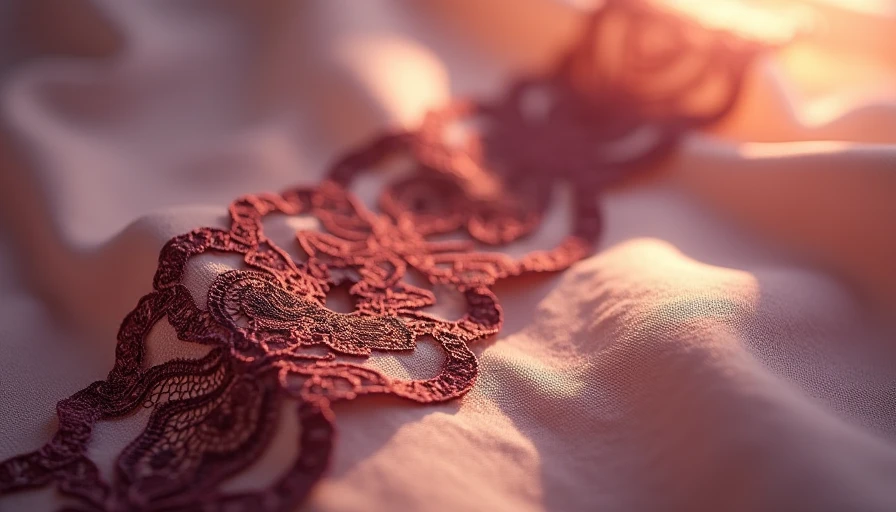
If your gown has lace or embroidery, handle it with even more care. Lace from the 1920s and 1930s can be brittle; I soak it in cool water with a touch of vinegar to help restore the ph balance. For silk, use a specific silk detergent. And if you find a stain from decades past, don't scrub—soak it overnight and gently dab. Sometimes the stain is part of the story, and I've learned to live with a few faint marks rather than risk damaging the fabric.
Styling a Vintage Night Dress Beyond Bed
A **night dress vintage** doesn't have to be confined to the bedroom. I've worn some of my favorites as summer dresses, layered with a denim jacket and sandals. The bias-cut slips work beautifully as an evening dress with heels and a clutch. The eyelet cotton gowns can be belted and worn as a tunic over jeans. It's about seeing the garment for what it is—a piece of fashion history that can live in your daily life, not just in your drawer.
Of course, not every vintage nightie is meant for the outside world. Some are too fragile, too sheer, or too short to be modest outside the house. But even those deserve to be worn—around the house on a lazy Sunday, with a cup of tea and a good book. The act of wearing them, even if no one sees, honors the craftsmanship and the woman who wore it first.
The Joy of Sleeping in History
There's a quiet intimacy to climbing into bed in a **night dress vintage**. You're not just wearing fabric—you're wearing the stories of the women who came before. I often wonder about the original owner: did she wear this on her wedding night? Did she mend it by lamplight during the war? Did she pass it down to a daughter? The best clothes don't just age. They remember. And when you slip into a vintage nightie, you become part of that memory.
So next time you're at a flea market or scrolling through vintage listings, keep an eye out for the **night dress vintage**. It might just become the most treasured piece in your wardrobe—and the one with the most stories to tell.