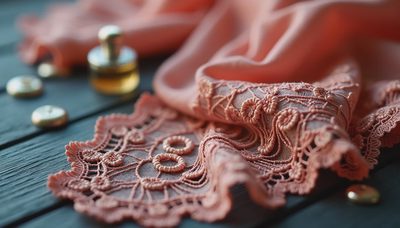
There’s something undeniably magical about a **vintage fairy dress**. Maybe it’s the whisper-thin fabric that seems to float on air, the delicate lace that feels like cobwebs, or the way the hem catches light as you move. These aren’t costumes—they’re garments with real history, worn by real women who wanted a little fantasy in their everyday lives. If you’ve ever fallen for a sheer 1920s tea gown or a frothy 1970s prairie dress, you know the pull. In this article, I’ll take you through what makes a vintage fairy dress so special, how to find one that’s authentic, and how to make it feel like yours—not like a prop.
What Makes a Vintage Fairy Dress So Special?
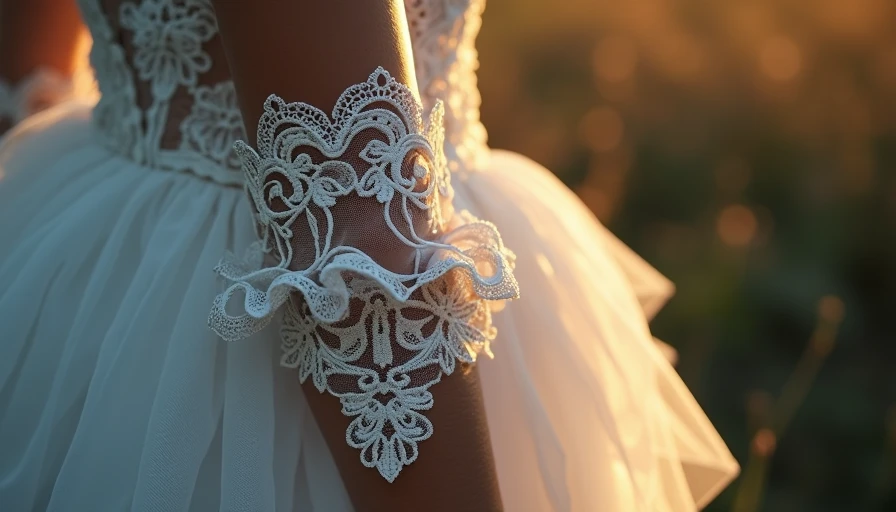
A **vintage fairy dress** isn’t a single era or silhouette—it’s a feeling. Edwardian tea gowns, with their loose, flowing lines and insets of lace, were the original fairy dresses: designed for at-home lounging, they prioritized comfort and ethereality over structure. In the 1920s, beaded flapper dresses caught the light like dragonfly wings. The 1930s brought bias-cut slips that draped like liquid. And by the 1970s, Gunne Sax and similar brands revived the romantic, high-necked, puff-sleeved dresses that now define “fairy” for many collectors. What unites them all? They’re made to move, to feel as light as a breath, and to make the wearer feel like she’s stepped into a story. The fabric matters—silk chiffon, cotton voile, rayon crepe—because weight and drape are everything. A genuine vintage fairy dress has a physical memory: the way the fabric has softened over decades, the gentle fading of a print, the tiny mends that tell of past lives.
How to Find an Authentic Vintage Fairy Dress
Hunting for a **vintage fairy dress** takes patience, but the reward is a one-of-a-kind piece that no fast-fashion dupe can replicate. Start with fabric. Real vintage dresses from the 1920s–1970s will often have natural fibers or early rayons that feel different from modern synthetics. Check seams and construction: vintage dresses are usually French-seamed or bias-bound, with tiny, uniform stitches. Labels are a clue—look for Gunne Sax, Jessica McClintock, or earlier department store brands like Lord & Taylor. Flea markets are goldmines, especially if you go early and dig through the bins. Online, try Etsy and Depop with search terms like “vintage 1970s prairie dress” or “vintage Edwardian slip” and filter by era. Avoid pieces that are heavily altered or have too many modern repairs—authenticity is about the original garment. And don’t ignore damaged dresses; with visible mending, a tear can become a story. Price-wise, expect anywhere from $40 for a common 1970s piece to $300+ for a pristine 1920s silk.
Styling a Vintage Fairy Dress Without Looking Like a Costume
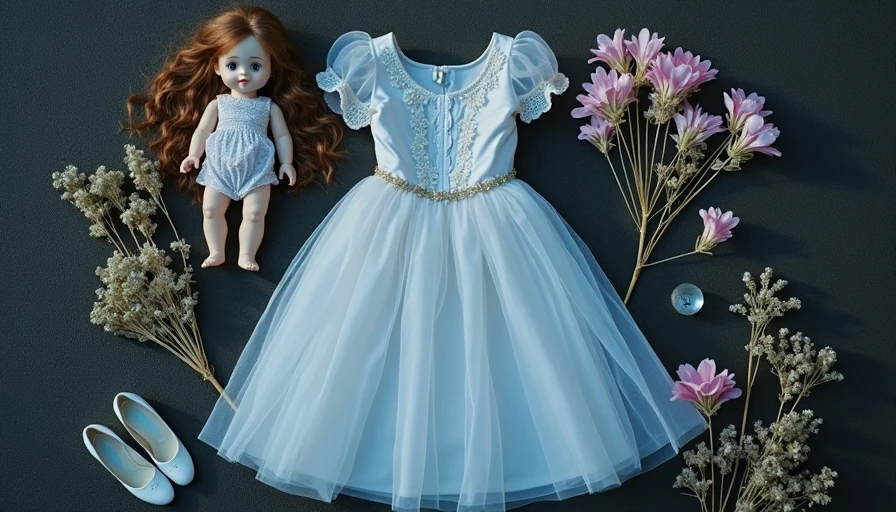
The challenge with any **vintage fairy dress** is making it look intentional, not like you’re heading to a Renaissance fair. The trick is contrast. Pair a frilly dress with tough accessories—leather boots, a denim jacket, a chunky belt. Layering also helps: wear a fitted turtleneck under a sleeveless prairie dress, or throw an oversized cardigan over a slip dress. Color matters too; softer, muted shades like dusty rose or sage feel more wearable than bright white or pastel lavender. For everyday, choose a dress that’s midi-length (not floor-length) and in a fabric that doesn’t catch on everything. I love wearing my 1970s Gunne Sax dress with chunky Doc Martens and a cropped sweater—the frills soften the edge, but the boots keep it grounded. If the dress is sheer, wear a slip underneath—preferably vintage, to keep the vibe intact. And remember: vintage fairy dresses are meant to move, so don’t be afraid to twirl, dance, or just walk with a little more swing.
Caring for Your Vintage Fairy Dress
Owning a **vintage fairy dress** means becoming its steward. Fabric that’s eighty years old needs gentle handling. Always hand wash in cold water with a mild soap (like Soak or vintage-friendly lavender soap), or dry clean if the fabric is delicate silk or has metal embellishments. Never wring—roll in a towel to absorb moisture, then hang to dry away from direct sun. Store flat or on padded hangers (never wire—they’ll stretch the shoulders). Keep out of plastic; breathable cotton garment bags are best. Minor tears can be fixed with invisible mending or, better yet, visible mending with a contrasting thread—I use sashiko for small holes. If the dress has yellowed from age, a gentle soak in oxygen bleach (like OxiClean, not chlorine) can help, but test a hidden area first. A well-cared-for vintage fairy dress can last another fifty years—and that’s the whole point. The best clothes don’t just age. They remember.