
There's a moment every vintage lover knows: you pull a dress off the rack at a flea market, and the fabric feels different under your fingers—heavier, maybe, or softer than anything you'd find new. That's the beginning of a vintage dress outfit, and it's not just about the clothes. It's about the story woven into every seam. Whether you're new to thrifting or a seasoned hunter, building a vintage dress outfit that feels like you—not a costume—takes a little know-how. Let's start with the find.
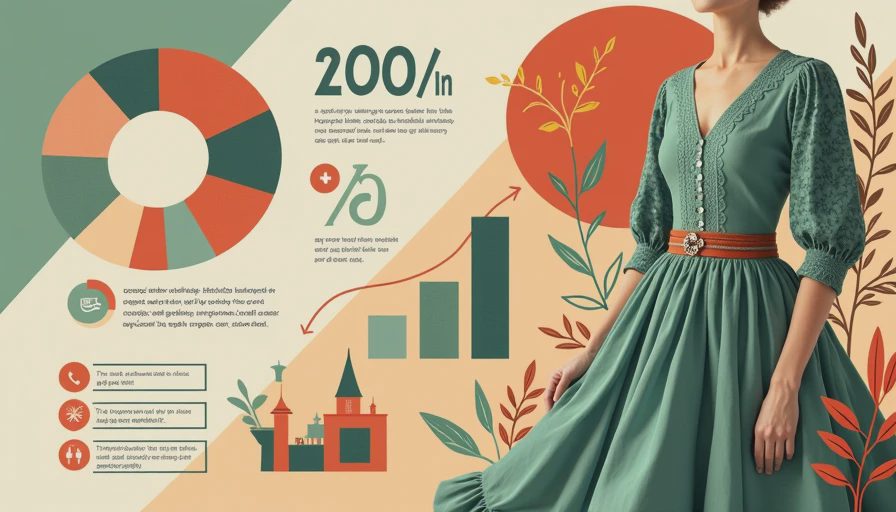
The best vintage dresses often come with a past life. A 1970s cotton prairie dress might have been worn to a music festival; a 1950s full-skirted number could have danced at a high school prom. When you choose a piece, think about what draws you to it. Is it the color? The cut? The way the fabric catches the light? Trust that instinct. But also check the practicalities: Are there stains or tears? Can they be mended or cleaned? A little wear adds character, but structural damage (like a ripped seam in the bodice) might be more work than it's worth.
Finding Your Perfect Vintage Dress
Start with eras that flatter your body shape. The 1920s drop-waist works well for straight or boyish figures; the 1940s tailored fit with shoulder pads suits broader shoulders; the 1950s cinched waist and full skirt can create an hourglass illusion. Don't be afraid to try something outside your usual silhouette—vintage sizing runs differently, and a dress from the 1960s might fit like a modern 0 or a 4 depending on the brand. Always bring a measuring tape to flea markets and check the bust, waist, and hip measurements. Labels like "size 12" from 1950 means something else entirely today.
If you're shopping online on Depop or Etsy, ask the seller for exact measurements and photos of the inside seams. A dress that's too small can sometimes be let out if there's enough seam allowance, but it's easier to find something that fits from the start. And don't discount menswear sections: a vintage men's shirt dress can be a unique foundation piece, worn belted or open over a slip dress.
Styling a Vintage Dress for Modern Life
The trick to making a vintage dress outfit feel current is mixing it with contemporary pieces. Pair a 1970s floral maxi with a chunky sneaker or leather ankle boots. Throw a cropped cardigan over a 1940s silk dress. Add a minimalist belt, a modern tote bag, or simple gold hoops—anything that speaks to the present. Avoid head-to-toe vintage unless you're going for a themed event; the goal is integration, not reproduction.
Consider the occasion. A 1960s shift dress works beautifully for an office with a blazer; a 1950s tea dress is perfect for brunch with friends. The key is to let the dress lead but not dominate. If the print is bold, keep accessories spare. If it's a solid color, you can play with texture—a velvet blazer, a silk scarf. And always try on the outfit at home before the event. Move around in it. Does the armhole restrict? Can you sit comfortably? Vintage dresses often have less stretch than modern ones, so check for comfort.
Caring for Your Vintage Dress Outfit
Once you've found the perfect vintage dress, treat it with respect. Most vintage fabrics are delicate—silk, rayon, cotton lace. Hand wash in cold water with a gentle detergent made for delicates, or use the delicate cycle in a mesh bag. Never wring out a wet vintage dress; lay it flat on a towel and roll it to remove excess water. Hang to dry away from direct sunlight, which can fade colors. For stubborn stains, consult a professional cleaner who specializes in antique textiles.
Store your dress in a breathable garment bag, not plastic. Use padded hangers to preserve the shoulder shape. And if the dress has metal zippers or hooks, keep them away from delicate fabrics to avoid snags. A little care goes a long way—I still have a 1930s silk slip dress I found eight years ago, and it looks as good as the day I brought it home.
Building a Wardrobe of Vintage Dress Outfits
The beauty of vintage is that each piece is one of a kind. Over time, you'll develop an eye for what works: a go-to silhouette, a favorite decade, a trusted brand or label. Start with one dress that makes you feel incredible, then build outward. Add a 1970s velvet blazer, a 1940s rayon blouse, a 1960s A-line skirt. Soon you'll have a wardrobe that tells your story—a collection of clothes that didn't just age, they remembered.
*The best clothes don't just age. They remember.*