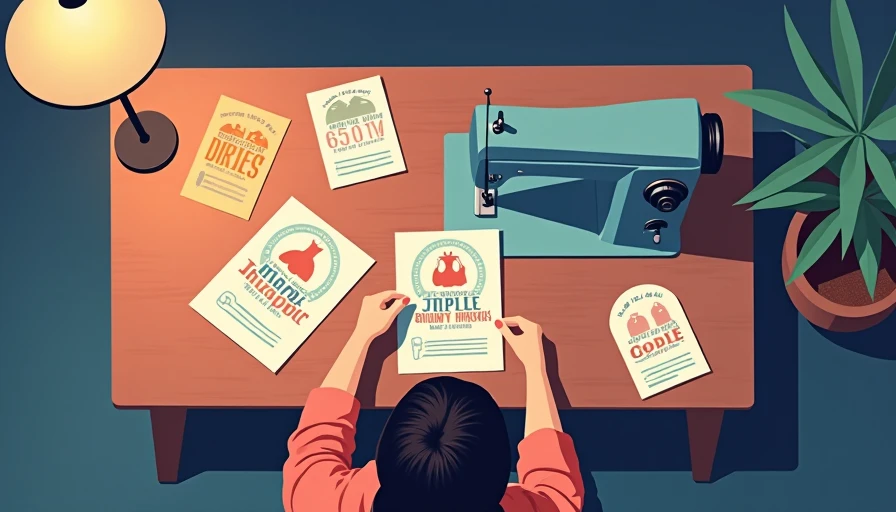
Every vintage dress carries a secret. It's not hidden in the seams or buried in the hem—it's right there, on the inside, stitched into a small piece of fabric. Vintage dress labels are more than just brand names. They're time capsules that tell you who made the dress, where it came from, and when it was sewn. If you've ever pulled a thrifted dress off the rack and wondered about its past, the label is the first place to look.
I've been collecting vintage for eight years, and I've learned that a label can be as revealing as the garment itself. A tiny tag from a defunct department store can place a dress in a specific decade. A union label can confirm it was made in America during a particular labor era. And a handwritten care tag? That's a direct line to the person who wore it first. Vintage dress labels are the fingerprints of fashion history.
Let me walk you through what to look for, what it means, and how to use that knowledge to build a wardrobe full of pieces with stories.
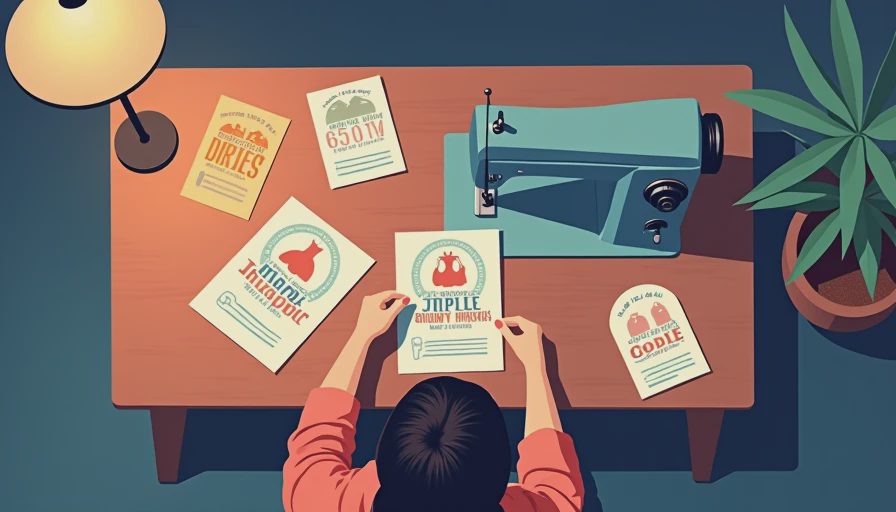
What Vintage Dress Labels Tell You About the Era
The first thing I check on any vintage find is the label style itself. Labels evolved dramatically over the decades, and the material, font, and stitching can date a dress within a few years. In the 1940s, labels were often woven directly into the fabric—thick, textured, and permanent. They used serif fonts and included the city of manufacture. By the 1960s, labels shifted to satin ribbons with bold, modern typography. The 1970s brought printed labels with earthy tones and wild graphics. If you find a dress with a label that says "Made in Hong Kong" in a sans-serif font, it's likely from the 1960s or later, when offshore manufacturing ramped up.
Vintage dress labels also reveal the garment's original price point. A silk dress with a label from a luxury department store like Saks Fifth Avenue or Neiman Marcus is a sign of quality. But don't overlook the smaller makers. Labels from independent dress shops or local seamstresses often mean the dress was custom-made. Those are the real treasures—they tell you someone commissioned that dress for a specific event, maybe a prom or a wedding.
How to Decode the Story Behind the Label
Once you've dated the label, dig deeper. Look for union labels—those small circular tags that say "ILGWU" (International Ladies' Garment Workers' Union) or "ACTWU" (Amalgamated Clothing and Textile Workers Union). These are powerful clues. Union labels were common from the 1930s through the 1990s, and their presence confirms the dress was made under fair labor conditions in the United States. A 1950s dress with an ILGWU tag isn't just a pretty shape—it's a piece of labor history.
Then there are the handwritten labels. Sometimes you'll find a dress with a tag that reads "Mary's Dress, 1952" or "For Aunt June's Wedding." These are my favorites. They transform a garment from anonymous to personal. I once found a 1940s rayon dress with a handwritten label that said "Ruth's favorite—do not iron too hot." I kept it, and I think about Ruth every time I wear it. Vintage dress labels like these make the clothes feel alive.

Practical Tips for Preserving Vintage Dress Labels
Once you appreciate what those tiny tags hold, you want to keep them intact. Labels are fragile. The fabric can yellow, the stitching can loosen, and the ink can fade. Here's how I care for mine:
First, never cut the label out. I know it can be itchy, but a label is part of the garment's identity. If it bothers you, sew a small piece of soft fabric over it rather than removing it. Second, wash delicate labels by hand. Silk and rayon labels can shrink or bleed if machine-washed. Spot clean with a mild soap and cold water. Third, store your vintage dresses away from direct sunlight—UV rays fade those beautiful old fonts and colors.
If a label is already damaged, you can often find clues in other parts of the garment. Check the zipper—Talons with a specific patent number can date a dress. Look at the seam allowances; older dresses have wider seams. Even the buttons can give hints. But the label is the quickest route to a story.
The Best Places to Find Vintage Dress Labels Worth Studying
Not all labels are created equal. If you're just starting out, focus on labels from the 1940s through the 1970s—that's the golden age of American garment manufacturing. Department store labels like Marshall Field's, Hudson's Bay, and Lord & Taylor are common but still tell a strong story. Brand labels like Jonathan Logan, Leslie Fay, and Lilli Ann are collectible. And if you find a dress with a label from a famous designer like Claire McCardell or Anne Klein, you've struck gold.
Estate sales are my favorite hunting grounds. The labels there are often pristine because the dresses were worn only a few times. Thrift stores can be hit or miss—I've found everything from a 1960s silk shift with a Neiman Marcus label to a 1980s polyester dress with a no-name tag. Flea markets are good, but prices are climbing as vintage becomes trendy. Don't be afraid to google a label on the spot. A quick search can tell you if that "Paris Originals" tag is actually from a 1950s mail-order catalog.
Why Vintage Dress Labels Matter More Than Ever
In a world of fast fashion where clothes are disposable, vintage dress labels remind us that garments were once made to last. They were sewn by people whose names we'll never know, sold in shops that no longer exist, and worn by women who danced, worked, and lived in them. Every label is a tiny monument to craft and history.
The best clothes don't just age. They remember. And the label is the memory keeper. So next time you're at a thrift store or estate sale, flip that dress inside out. Look at the tag. Read the tiny letters. You might just find a story worth keeping.