
A **vintage black dress** is one of those rare garments that can feel both quiet and unforgettable. It does not need sequins, logos, or a trend cycle to justify itself. It only needs good fabric, a thoughtful cut, and the kind of wear that softens a hem or shapes a sleeve over time. I am always drawn to black dresses on the rack because they tend to reveal themselves slowly. At first glance they can seem simple. Then you notice the covered buttons, the weight of old crepe, the hand-finished seams, the tiny repair someone made because the piece mattered enough to keep.
The best vintage pieces ask for a slower kind of attention, and black dresses reward that patience. They can be practical, romantic, severe, playful, or all four in a single week depending on how you wear them. More than almost any other garment, they cross decades gracefully. A 1930s bias-cut slip, a 1950s fit-and-flare day dress, and a 1990s minimalist column each tell a different story, yet all can live in the same modern closet without feeling like costume.
Why a vintage black dress endures
Black has always been useful, but in vintage clothing it is especially revealing. It shows construction. It shows drape. It lets the shape do the talking. When I find a good black dress, I am not just looking at color. I am looking at whether the waist sits naturally, whether the skirt moves cleanly, whether the fabric has body or fluidity, whether the lining was added with care rather than speed.
A great **vintage black dress** also sidesteps the exhaustion of shopping for novelty. Instead of chasing the new version of a classic, you can buy the classic itself. That does not always mean expensive. I have seen sturdy 1980s rayon day dresses at flea markets for under $40, simple 1990s slips in the $60 to $120 range, and beautifully made earlier pieces priced much higher because the workmanship is harder to find now. The point is not to spend more. It is to spend with discernment.
The best clothes don't just age. They remember. A black dress remembers dinners, funerals, offices, dances, first apartments, and long walks home. That memory is part of its appeal.
How to recognize quality before you buy
The first thing I do is ignore the label for a moment and touch the fabric. Does it feel dry and crisp like old taffeta, pebbled like crepe, smooth like silk charmeuse, or slightly cool like rayon? Fabric tells you more than branding ever will. Then I turn the dress inside out. Finished seams, generous hems, intact lining, and hand stitching at the zipper or neckline are all good signs.
A few practical checks matter with any **vintage black dress**. Hold it to the light to look for thinning under the arms and along the seat. Check for sun fading at the shoulders. Black can hide a lot until it is in daylight, so if you shop indoors, step near a window. Smell the garment too. Old storage odor is normal and often fixable. Mildew is another story.
If you are newer to vintage, start with forgiving eras. Many 1980s and 1990s black dresses are easier to wear, easier to alter, and less fragile than earlier silk pieces. If you do fall in love with something from the 1930s or 1940s, factor in maintenance. Older garments are survivors, not superheroes.
Choosing the right era for your life
One reason people struggle with vintage is that they shop for fantasy instead of reality. A dress can be beautiful and still wrong for the way you live. If you need something you can wear to dinner, work events, and a friend’s wedding with different shoes, look for 1990s slips, 1960s shift dresses, or 1980s long-sleeve midi styles. These tend to adapt well.
If you love softness and movement, a bias-cut 1930s or 1990s-inspired slip can be wonderful. Bias cut means the fabric was cut on the diagonal grain so it skims the body rather than sitting stiffly. If you want structure, 1950s shirtwaists or 1940s crepe dresses often give a more defined shape.
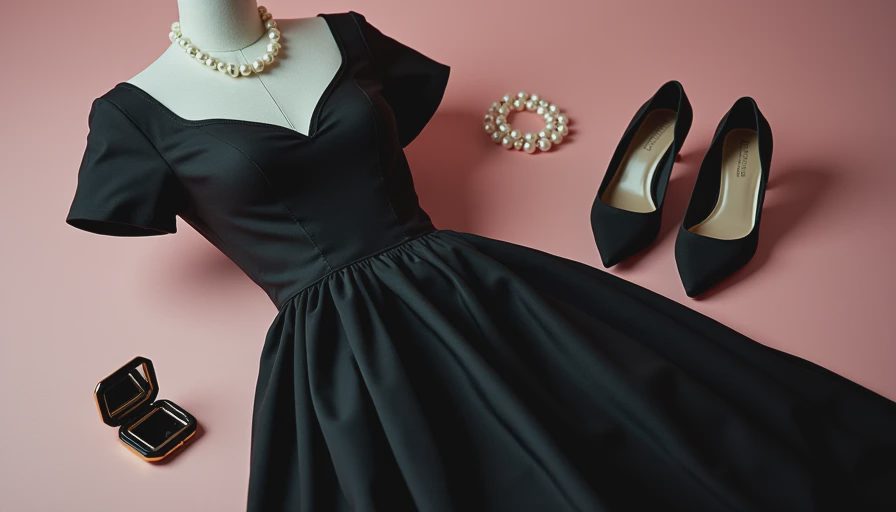
I usually tell people to think in terms of mood and maintenance. A beaded 1920s dress is a treasure, but it is not an everyday answer. A simple **vintage black dress** in wool crepe or rayon might be. There is no prize for owning the most delicate thing on the rack if you are afraid to wear it. Buy the piece that fits your actual life, then let it become part of your history too.
Styling it without looking like costume
This is the question I hear most: how do you wear vintage and still look like yourself? My answer is nearly always the same. Break the time capsule. Pair the dress with something plain, modern, or slightly unexpected. A 1940s black dress with loafers and a cotton trench feels grounded. A 1990s slip with a beaten-up cardigan and flat boots feels lived in. Even a more dramatic silhouette becomes easier when the rest of the outfit is calm.
Avoid stacking too many era-specific signals at once unless dressing theatrically is the point. A **vintage black dress** does not need a matching hat, gloves, and period heel to make sense. Usually it needs one good coat, one practical shoe, and jewelry that feels personal rather than performative.
Texture helps too. Black can look flat if everything around it is slick. I love adding worn leather, heavy knits, matte tights, or a faded canvas jacket. Those contrasts make the dress feel inhabited, not staged. The goal is not historical reenactment. It is continuity between the garment’s past and your present.
Caring for a black dress so it lasts
Care is where affection becomes visible. Before washing anything, identify the fiber as best you can. Silk, rayon, wool, polyester, and acetate all behave differently. If the label is gone, look at sheen, weight, and how the fabric reacts in your hands. When in doubt, hand washing is not automatically safer. Some old rayon becomes weak when wet, and some structured garments rely on inner construction that should stay dry.
For a **vintage black dress** you wear often, steaming is your friend. It freshens fabric, releases wrinkles, and reduces unnecessary washing. Spot clean small marks quickly with a gentle cloth and cool water if the fiber allows. Store the dress away from direct sun, because black fades unevenly and heartbreakingly fast. Use padded hangers for delicate shoulders, and fold heavy beaded pieces so gravity does not strain them.
If a seam opens or a hem drops, repair it early. Small fixes are part of the life of old clothing. They do not diminish value in a personal wardrobe. They prove you are participating in the garment’s story rather than treating it like a relic.
Where to look if you want the good ones
The internet is useful, but it can flatten everything into the same polished square. If you can, shop in person at flea markets, estate sales, church rummage sales, and older neighborhood thrift stores where donations are less curated. Bring a tape measure, wear easy shoes, and give yourself time. A black dress often looks unremarkable on a crowded rack until you really examine the cut.
Online, ask for measurements instead of relying on size tags, which shifted dramatically across decades. Shoulder, bust, waist, hip, and length matter more than a number. Ask about fabric flaws, underarm wear, and whether the black is true black or has faded toward charcoal. Good sellers will answer clearly.
A **vintage black dress** does not need to be rare to be meaningful. It just needs to fit well, feel good, and earn its place in your closet. Start there. Wear it often. Let it gather your own memories. That is when vintage stops being an aesthetic and becomes a relationship.