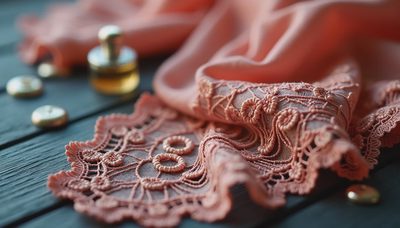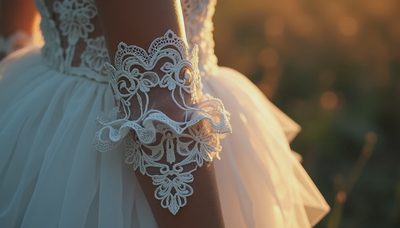
There’s something about a vintage petticoat that makes you stand differently. The weight of the fabric, the whisper of tulle or cotton when you walk—it changes how you move. A vintage petticoat isn’t just an undergarment; it’s a piece of engineering, designed to shape silhouettes we’ve almost forgotten. I found my first one at a flea market in Williamsburg, buried under a pile of 1970s polyester. It was a 1950s crinoline, all nylon net and lace trim, and when I held it up, the seller said, “That one has danced at the Stork Club.” I bought it for $20, and it’s been hanging on my rack ever since.
A Brief History of the Petticoat
Petticoats have been around longer than most of the garments we wear. In the 18th century, they were visible layers worn under open-front gowns, often decorated with embroidery or ruffles. By the 19th century, they evolved into hoops and crinolines to support massive skirts. But the iconic vintage petticoat people search for today—the bell-shaped one with multiple layers of netting—is a product of the 1950s. That decade’s New Look demanded volume: circle skirts needed something to hold them out, and the petticoat answered. They were made of stiffened nylon, cotton voile, or even horsehair braid. The best ones have a satisfying stiffness that softens with age but never fully gives up.

How to Style Your Vintage Petticoat Today
The challenge with a vintage petticoat is wearing it without looking like you’re headed to a costume party. I tell my clients to start small: pair a shorter petticoat (just above the knee) with a simple knit sweater or a fitted cardigan. Let the petticoat add volume to a midi skirt or dress—think of it as a secret layer that only reveals itself when you spin. For a more everyday look, try a cotton or eyelet petticoat under a slip dress in summer; it adds texture and length without the stiffness of a full crinoline. Remember, the goal isn’t to recreate the 1950s, but to borrow its silhouette for a moment. My favorite way to wear a vintage petticoat is under a simple linen shift dress—it gives the dress a gentle bell shape that feels both modern and nostalgic.
Caring for Delicate Fabrics
Vintage petticoats are often made of delicate materials—vintage nylon can be brittle, cotton might have weak seams, and tulle snags easily. Hand-wash is almost always the answer. Fill a basin with cool water and a drop of mild detergent (I use soap flakes intended for delicates). Swish the petticoat gently, don’t wring it, and lay it flat to dry. For stubborn stains, a dab of white vinegar on a cotton ball can work wonders—but test on an inconspicuous area first. Never put a vintage petticoat in the dryer; the heat can melt synthetic fibers and shrink cotton. If the petticoat has lost its stiffness, a light spray of cornstarch water (1 tablespoon cornstarch to 1 cup water, shaken well) can restore body without damaging the fabric. Just mist and let dry.
Where to Find the Real Thing
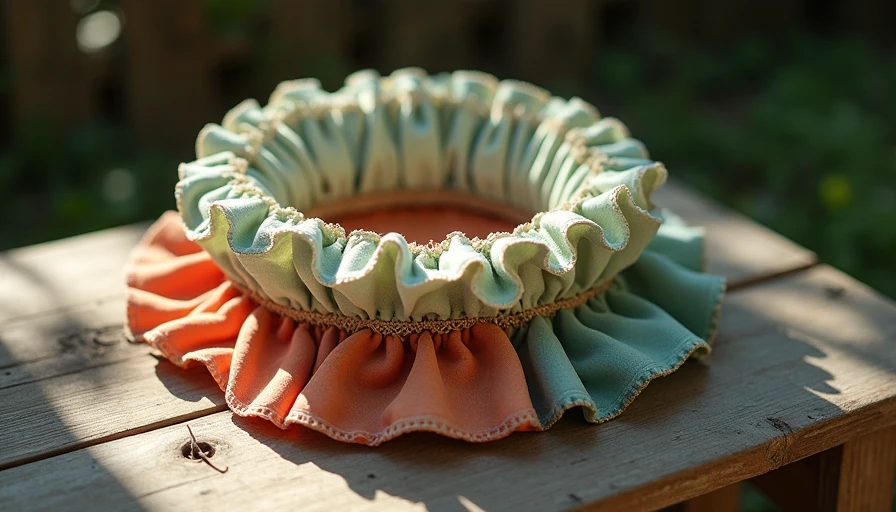
The best places for a vintage petticoat are estate sales and flea markets, not online. You need to feel the fabric, check the seams, and gauge the stiffness. Look for petticoats labelled “made in USA” from the 1950s or early 1960s—those tend to have the best construction. Prices range from $10 to $40 at estate sales, but can climb to $80 or more at curated vintage shops. If you’re shopping online, ask the seller specific questions: Is the elastic still springy? Any stains under the arms (yes, petticoats have that problem too)? What’s the fiber content? Avoid anything described as “vintage style”—that usually means a modern reproduction with flimsy polyester mesh that won’t hold up. The real vintage petticoat will have a weight and sound that’s unmistakable. One more tip: check the waistband carefully. Original 1950s petticoats often have a ribbon waistband with a metal snap—if it’s intact, you’ve found a keeper.
Why Keep a Vintage Petticoat?
In an age of athleisure and minimalism, a vintage petticoat feels almost rebellious. It takes up closet space, requires special care, and asks you to slow down when you dress. But that’s exactly why I love them. Every time I put one on, I think about the woman who wore it first—what she was dancing to, who she was with, how the fabric felt new on her skin. The best clothes don’t just age. They remember. And a vintage petticoat remembers plenty. Whether you’re a seasoned collector or just starting to explore vintage fashion, adding one to your wardrobe is a way to carry a piece of the past into your everyday life. It’s not about looking retro; it’s about feeling more fully present in your clothes.
*— Ellie Voss*