I found my first vintage slip dress 1990s on a rainy Saturday at the Williamsburg Flea. It was hanging between a stained Hawaiian shirt and a polyester jumpsuit — a whisper of bias-cut silk charmeuse in the palest Champagne. The tag read "Made in USA" and the label had long since faded, but I knew that drape. That weight. That particular way the fabric caught the light like water. I paid $20 and never looked back.
That was eight years ago. That dress has traveled with me through three apartments, two jobs, and more dinners than I can count. It has been worn with blazers, with leather jackets, with nothing but bare skin and a pair of block heels. It has been stained, spilled on, and gently hand-washed in my kitchen sink. And it still hangs in my closet, holding the shape of the woman who wore it before me — whoever she was.
The vintage slip dress 1990s isn't just a piece of clothing. It's a time capsule of an era that prized minimalism, sensuality, and the kind of effortless glamour that designers today still chase. It's also, practically speaking, one of the most versatile garments you can own — if you know how to find it, how to style it, and how to keep it alive.

Why the 1990s Slip Dress Became a Wardrobe Icon
The slip dress rose to prominence in the early 1990s, thanks to designers like Calvin Klein, Donna Karan, and Narciso Rodriguez. They took the undergarment — the humble slip — and turned it into outerwear. Suddenly, a bias-cut slip in silk or rayon became the uniform of cool: worn alone, with a choker, or layered over a white t-shirt. Kate Moss wore it. Gwyneth Paltrow wore it. And then the rest of us wore it, too.
But what makes the vintage slip dress 1990s so special isn't just nostalgia. It's the cut. The bias cut — fabric cut on the diagonal — allows the dress to skim the body without clinging, creating a line that flatters almost every shape. The fabric moves with you, not against you. That's why a well-made slip dress from the 1990s still feels modern. Its beauty is in its simplicity: no zippers, no buttons, just a slip of silk that does exactly what it's supposed to do.
What to Look for in a 1990s Slip Dress: Fabric, Fit, and Finish
When shopping for a vintage slip dress 1990s, pay attention to the fabric first. Silk charmeuse is the gold standard — it has a subtle luster and a weight that hangs beautifully. Rayon and acetate were also common in the 1990s, and they can be lovely if they've been stored properly, but they tend to weaken over time. Check the seams: a quality dress will have French seams or finished edges inside. And the label can tell you a lot. Look for "Made in USA" or "Made in Italy" — those are typically better quality than the reproductions flooding today's market.
How to Style a Vintage Slip Dress 1990s Without Looking Like You're in a Costume
The number one question I get from clients and readers is: "How do I wear a slip dress without it feeling like a costume?" The answer is texture. The moment you add a contrasting fabric — a chunky knit cardigan, a denim jacket with worn elbows, a chunky loafer — the dress stops looking like something from a Victoria's Secret catalog and starts looking like you.
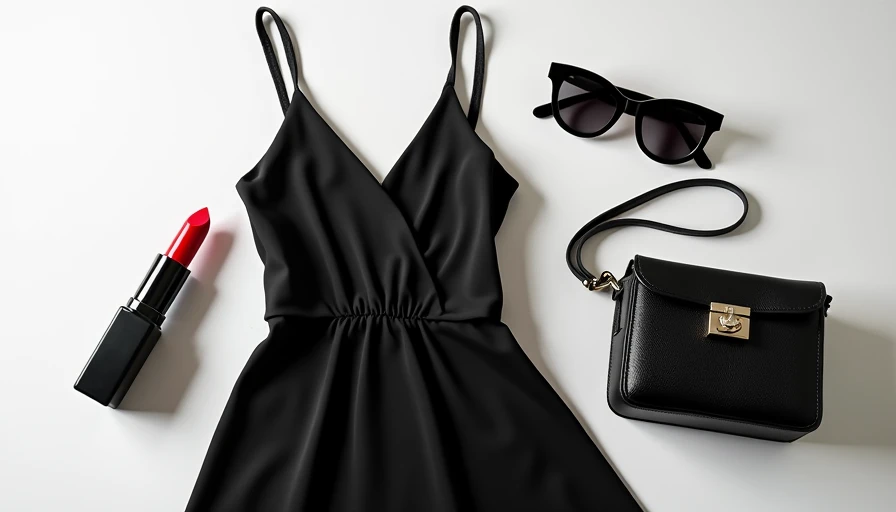
For daytime, layer a vintage slip dress 1990s over a simple white crewneck tee or a thin turtleneck. For evening, wear it alone with strappy sandals and a clutch. And for that in-between moment when you want to look effortless but not underdressed, throw a leather moto jacket over it and add a pair of western boots. The key is mixing the delicate with the rugged.
Where to Find Authentic Vintage Slip Dresses from the 1990s
Flea markets remain my favorite hunting ground — specifically the ones where sellers price by intuition, not by Google search. Look for dresses with labels like Calvin Klein, DKNY, Express (yes, Express made amazing slip dresses in the 90s), and lesser-known American brands like Kenar or Bisou-Bisou. Avoid anything with a tag that says "Made in China" and a back zipper that feels too light — that's likely a reproduction.
Estate sales can be gold mines. So can thrift stores in affluent neighborhoods where women donated their 1990s wardrobes in the early 2000s. Online, Etsy and eBay are reliable, but you'll pay more. The secret trick: search for "bias cut slip dress" instead of "vintage slip dress 1990s" — you'll find listings from sellers who don't know what they have.
Caring for Your Vintage Slip Dress 1990s
That bias-cut silk is delicate. Hand wash in cold water with a gentle detergent like Soak or Eucalan. Never wring. Never tumble dry. Roll in a towel to remove excess water, then hang to dry in the shade. If the dress is rayon or acetate, handle with even more care — those fabrics weaken when wet. And store it flat or hung on a padded hanger. Your future self will thank you.
The Dress That Remembers
Every vintage slip dress 1990s carries the memory of whoever wore it first. That faded perfume in the collar. That tiny mended tear under the arm. That slight discoloration where the fabric met skin. These aren't flaws. They're proof that the dress was lived in. And if you treat it well, it will live on for another thirty years.
The best clothes don't just age. They remember.