I found my first silk bias cut dress vintage on a rainy Sunday at the Brooklyn Flea, buried under a pile of polyester blouses. The slip of white silk charmeuse slid through my fingers like water, and when I held it up, the fabric pooled at the hem in a way that made me understand why women in the 1930s saved their grocery money for a single good dress. That dress—bias cut, bias meaning the fabric is cut at a 45-degree angle to the grain—became the cornerstone of my collection. It draped like nothing I’d ever worn, not because of my body, but because the cut let the fabric fall where it wanted. That is the magic of a silk bias cut dress vintage: it remembers the body that wore it, and it makes room for yours.
The History Behind the Cut
The bias cut was revolutionized in the 1920s and 30s by Madeleine Vionnet, a French couturier who rejected the stiff, structured silhouettes of the previous decades. She discovered that cutting fabric on the bias allowed it to stretch and cling gently, creating a fluid line that followed the body without constricting it. Silk, with its natural give and luminous surface, was the perfect medium. By the mid-1930s, bias-cut silk dresses were everywhere—worn by Jean Harlow, Marlene Dietrich, and every woman who wanted to feel both elegant and comfortable. These dresses weren’t just garments; they were engineering marvels of fabric and geometry. A silk bias cut dress vintage from that era is a piece of fashion history, a testament to the idea that clothes should move with you, not against you.
How to Spot an Authentic Vintage Bias Cut Dress
Not every silky dress labeled “vintage” is the real thing. When you’re hunting for a silk bias cut dress vintage, there are a few telltale signs to look for. First, the weight of the silk: authentic vintage silk charmeuse or crepe de chine has a heft that modern reproductions often lack. Hold it up—if it billows like a parachute, it might be polyester. Second, check the seams. Bias-cut dresses often have French seams or hand-rolled hems, because the seamstress knew the fabric would be visible inside. Third, the grainline: if the dress has a pattern like stripes or polka dots, they should appear diagonal to the center front when laid flat. Finally, look for a label. Common vintage makers include “Gloria Swanson’s” for Hollywood fashions, or lesser-known department store labels like “Bonwit Teller” or “B. Altman.” Knowing the label gives you a clue to the era.
Styling a Vintage Silk Bias Cut Dress Without Looking Like a Costume
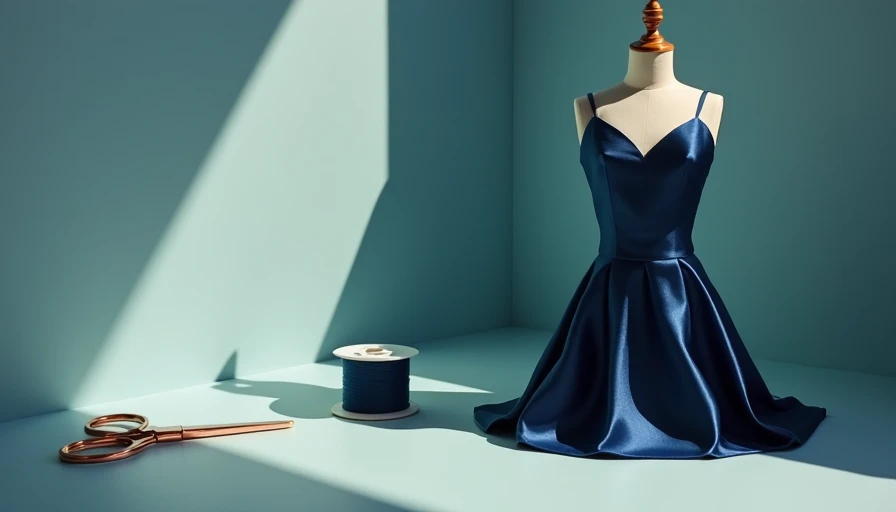
One of the biggest fears I hear from readers is that a silk bias cut dress vintage will make them look like they’re headed to a Great Gatsby party. The trick is to let the dress speak for itself. The bias cut is inherently modern—its draped, body-conscious silhouette feels right at home with a leather jacket and chunky boots, or a simple cashmere cardigan. During the day, I wear mine with flat sandals and a canvas tote; at night, I swap in strappy heels and a vintage velvet clutch. The key is not to over-accessorize. A bias-cut dress has enough drama in its construction. Adding too many pearls, feathers, or art deco jewellery tips it into costume territory. Instead, keep the rest minimal and let the fabric do the work.
Caring for Delicate Silk
If you find a silk bias cut dress vintage, you will need to treat it like the fragile treasure it is. Dry cleaning is your safest bet, but if you’re brave and the dress is not heavily stained, you can hand-wash it in cold water with a gentle silk-specific detergent like The Laundress’s Delicate Wash. Never wring, never machine dry. Lay it flat on a towel and roll it up gently to absorb moisture, then hang it on a padded hanger to air dry. Store it away from sunlight, which will yellow the silk, and wrap it in acid-free tissue paper to prevent creases. A well-preserved silk bias cut dress vintage can last another century if you give it the care it deserves.
Where to Find Your Own
Estate sales, flea markets, and online vintage shops like The RealReal or Etsy are good starting points, but patience is key. I’ve found my best examples at local thrift stores in unexpected places—a tiny house in New Jersey, a church basement in upstate New York. Look for dresses with simple lines; bias cut works best on styles that are minimally constructed: slip dresses, subtle A-lines, or Grecian-inspired column shapes. Avoid anything with heavy beading or boning, which likely isn’t bias cut at all. Prices range from $50 for a worn piece to $500+ for pristine examples from known makers. The hunt is part of the joy, and when you finally slide into that perfect silk bias cut dress vintage, you’ll know why it was worth it.
The best clothes don’t just age. They remember. And a silk bias cut dress vintage remembers every woman who wore it before you—the way it moved over her shoulders, the perfume that settled into the fibers, the laughter that echoed through the fabric. When you wear it, you become part of that memory. And that is something no fast fashion can ever replicate.