Visible Mending Brooklyn: Where Worn Clothes Get a Second Life
I have a confession: half the clothes in my apartment have been repaired at least once. My favorite wool cardigan has a sashiko patch over the elbow, and a 1980s blouse wears a delicate embroidered asterisk where a moth got hungry. This isn't just about saving money — though that's a bonus. It's about the practice of **visible mending Brooklyn** has embraced with open arms, turning mended holes into something worth showing off.
I first encountered the philosophy of visible mending Brooklyn years ago at a workshop in Gowanus. A textile artist named Lena showed a room of twenty of us how to stitch a denim knee back together with bright orange thread. "The tear is the history," she said. "Don't hide it — honor it." That moment changed how I look at every ripped seam and faded elbow. Since then, **visible mending Brooklyn** has become a central thread in my work as a vintage stylist and curator.
Why Visible Mending, Not Disposable Fashion
Brooklyn's mending scene is a direct response to fast fashion. According to the EPA, over 11 million tons of textile waste end up in landfills each year. Visible mending flips that narrative. Instead of tossing a shirt with a hole under the arm, you embroider a tiny flower. Instead of discarding jeans with a blown-out knee, you patch them with a contrasting fabric and stitch a pattern. The result is a garment that's more interesting than it was when new — a piece that tells the story of its wear.
The community behind **visible mending Brooklyn** is thriving. There are monthly mending circles at Brooklyn Fiber in Gowanus, sashiko workshops at the Textile Arts Center in Sunset Park, and pop-up repair cafes in Bushwick. I've attended sessions where people bring everything from 1970s parkas to ripped work pants, all learning the same lesson: a stitch in time doesn't have to be invisible.
Where to Learn Visible Mending in Brooklyn
If you're new to the craft, start small. Here are three places I recommend for **visible mending Brooklyn** beginners:
- **Brooklyn Fiber, Gowanus:** They offer a "Mend & Tell" evening every third Thursday. Bring a garment you love, and they supply the thread and needles. Focus on basic patches and running stitches. Cost is $20, and you leave with a mended piece and new friends.
- **Textile Arts Center, Sunset Park:** This is where I took my first sashiko class. Their "Visible Mending 101" workshop teaches the Japanese technique of reinforcing fabric with patterned stitches. Expect to spend two hours on a small patch — it's meditative, not rushed.
- **Repair Cafe, various locations:** Pop-up events hosted by the Brooklyn Public Library and local community centers. Free, donation-based. You can learn from volunteers who specialize in everything from darning to button replacement.
These spaces are part of what makes **visible mending Brooklyn** so accessible. You don't need prior sewing experience — just a willingness to slow down and pay attention to your clothes.

My Own Visible Mending Project — A Pair of Levi's
Last winter, I found a pair of 1980s Levi's 501s at the Williamsburg Flea Market. They were my size, but the right knee had a two-inch tear. The seller was about to throw them in the discount bin. "I'll take them," I said, already imagining the stitch pattern. Over three evenings, I worked a patch of indigo-dyed cotton into the knee using a combination of sashiko and embroidery. The finished repair looks like a topographic map — concentric lines radiating outward from the tear. Every time I wear those jeans, someone asks about the patch. It's a conversation starter, a piece of art, and a statement against disposability.
That's the magic of **visible mending Brooklyn**: it turns a defect into a feature. The same philosophy applies to sweaters with moth holes, vintage silk with frayed cuffs, or denim with frayed hems. Instead of hiding damage, you highlight it with color and pattern, making each repair unique.
How to Start Your Own Visible Mending Practice
Ready to try? Here's a simple guide:
- **Choose a garment you already love** — the more sentimental, the better. A worn-in pair of jeans or a favorite sweater is ideal.
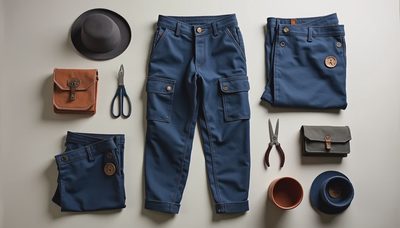
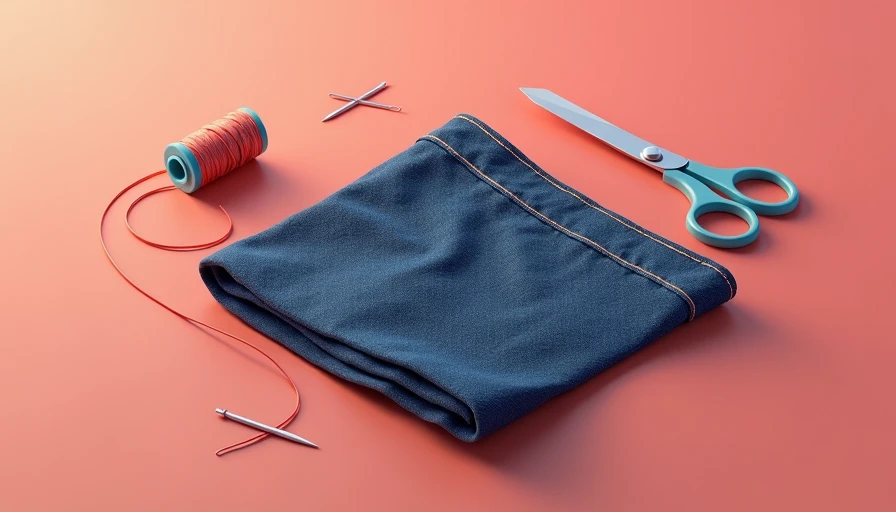
- **Gather your tools:** embroidery needle, embroidery floss or sashiko thread, scissors, and a patch fabric (scrap from an old shirt or a contrasting color for effect).
- **Decide on a pattern:** A simple running stitch or a crosshatch grid is beginner-friendly. For sashiko, follow a grid pattern.
- **Stitch slowly and deliberately.** Each stitch is a choice. You're not hiding the repair — you're making it part of the garment's story.
- **Wear your mended clothes proudly.** The more visible the mend, the more you spread the message that clothes deserve a second life.
**Visible mending Brooklyn** has become more than a craft for me — it's a philosophy. Every stitch is a small act of resistance against the throwaway culture that fills landfills with perfectly wearable clothes. If you're in Brooklyn, come to a mending circle. Bring a ripped pair of jeans and an open mind. You'll leave with a mended garment and a new way of seeing the clothes you already own.
The best clothes don't just age. They remember.