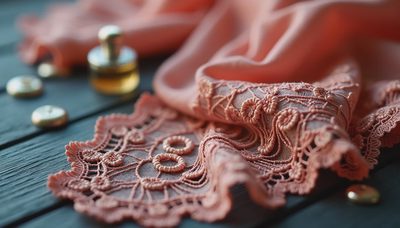
I found my first **petticoat underskirt** at the Williamsburg Flea Market on a freezing Saturday in February. It was tucked under a stack of 1970s bedsheets, the nylon fabric catching the grey winter light like a ghost. The seller—a woman who specializes in 1950s domestic textiles—pulled it out carefully. "This is a real one," she said, "not a costume piece." She was right. The waistband was worn soft, the hem had been taken up and let down twice, and there was a faint perfume of lavender and dust. That underskirt had lived a life. And that's exactly what makes a **petticoat underskirt** worth seeking out.
A **petticoat underskirt** is more than just a layer. It's a garment with a job: to give shape to skirts and dresses, to add rustle and volume, to hide the lines of slips and stockings. But in the world of vintage, it's also a time capsule. Every pleat, every stitch, every bit of lace tells you something about the woman who wore it and the era she lived in. Whether you're building a 1950s circle-skirt wardrobe, layering under a 1970s maxi dress, or just want a bit of extra swoosh in your everyday A-line, a good **petticoat underskirt** is the secret ingredient.
A Brief History of the Petticoat Underskirt
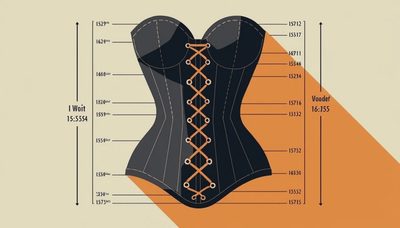
The **petticoat underskirt** has been around for centuries, but its modern form really took shape in the 1950s. Before World War II, underskirts were functional—they protected outer garments from sweat and added warmth. But after the war, Christian Dior's "New Look" demanded volume, and the petticoat became a structural tool. Layers of nylon netting, sometimes stiffened with buckram or even horsehair, created the iconic bell shape. By the mid-1950s, every woman had at least one **petticoat underskirt** in her closet, often in white or pastel pink.
The 1960s brought a shift toward simpler lines, but the underskirt never disappeared. It lived on in folk-inspired styles, in 1970s prairie dresses, and even in 1990s slip dressing. For vintage enthusiasts, the 1950s nylon petticoat is still the holy grail: crisp, bouncy, and surprisingly durable if treated well. When you hold one, you can feel the era—the optimism, the love of structure, the belief that a dress should make a statement all on its own.

How to Style a Petticoat Underskirt Today
Styling a **petticoat underskirt** in 2025 doesn't mean you have to look like a retro caricature. The trick is to treat it as a piece of your wardrobe, not a costume. Here are a few ways I wear mine:
- **Under a midi dress:** A simple cotton shift dress gains instant personality when you add a petticoat underneath. Let the hem peek out an inch or two—the contrast between a modern silhouette and vintage ruffles is effortlessly cool.
- **With a denim skirt:** Take your favorite A-line jean skirt and add a short petticoat (12–14 inches). It softens the denim edge and adds movement. Pair with a plain white tee and sneakers for an everyday look.
- **As a visible layer:** I've worn a 1950s net petticoat under a sheer organza skirt from the 1980s. The two eras colliding creates something entirely new. You can also wear a petticoat as a skirt itself with a cropped sweater—just make sure it's lined or opaque enough.
- **For special occasions:** A formal dinner, a wedding, or even just a night out. A full-length satin **petticoat underskirt** with lace trim under a velvet dress is pure drama without being over the top.
When shopping for a vintage petticoat, pay attention to the waistband. Look for original elastic that's still springy (or be prepared to replace it), and inspect the netting for tears. Minor holes can be mended discreetly, but heavy fraying means the fabric's life is limited. Expect to pay $20–$60 at flea markets or $50–$150 from curated vintage sellers.
Where to Find Quality Vintage Petticoats
The best place to find a **petticoat underskirt** is still in the wild: estate sales, flea markets, thrift stores. Look in sections labelled "lingerie," "slips," or "skirts." Petticoats often get miscategorized because sellers don't know what they are. I once found a pristine 1950s nylon petticoat priced as a "bed skirt " for $5.
Online, Etsy and eBay are the main sources. Search for "vintage petticoat," "1950s underskirt," or "nylon petticoat." Be specific about length: mini (12–15 inches), knee-length (18–20 inches), or full (25+ inches). Also check Depop and Vinted, where younger sellers sometimes list vintage without knowing the terminology—you can snag bargains.
For high-quality reproductions, look at brands like Malco Modes, which has been making petticoats since the 1950s and still produces authentic styles. Other vintage brands to keep an eye out for: Molly Brown, Petticoat Lane, and The Betty Company. Original tags with union labels (ILGWU) often indicate pre-1970s construction and better materials.

Caring for Your Vintage Petticoat Underskirt
A **petticoat underskirt** can last decades with proper care. Here's what I've learned from my own collection:
- **Hand wash only:** Fill a sink with cool water and a drop of mild detergent (like Woolite or Soak). Swish the petticoat gently—don't scrub or wring. Rinse twice with cool water.
- **Air dry flat:** Lay it on a towel, roll up to remove excess moisture, then reshape and let it dry away from direct heat. Never put a vintage petticoat in the dryer—nylon netting will melt or become brittle.
- **Storing:** Hang by the waistband or fold loosely in a drawer. Avoid storing in plastic; cotton or muslin bags allow the fabric to breathe. If the petticoat has metal fasteners like hooks or zippers, make sure they don't snag the netting.
- **Restoring stiffness:** If your netting has gone limp, you can spray it lightly with a mixture of water and a few drops of liquid starch, then reshape and air dry. Test on an inconspicuous area first.
- **Repairs:** Small holes in netting can be invisibly mended by carefully matching the hole shape and sewing with fine nylon thread. I learned this from a friend who restores vintage wedding dresses. It's tedious but worth it for a piece with good bones.
Why Every Vintage Wardrobe Needs a Petticoat Underskirt
A **petticoat underskirt** is one of those pieces that transforms the way you move through the world. When you wear one, you stand a little taller, walk a little differently—the fabric demands it. It's also a bridge between eras. You can style it with modern pieces and suddenly your outfit has a conversation with the past. The best clothes don't just age. They remember. And a **petticoat underskirt** remembers the dances, the dinners, the everyday moments of the women who wore it before you.
Whether you're a seasoned vintage collector or just starting to explore, keep an eye out for that whisper of netting in a pile of linens. Pick it up. Feel the weight. Ask the seller a question or two. And if the price is right, bring it home. Your wardrobe will thank you—and so will the ghost of the woman who wore it first.