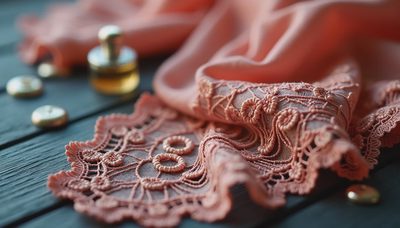
I found my first vintage corset at a flea market in Williamsburg, buried under a pile of polyester blouses from the ’80s. It was whalebone and cotton sateen, hand-stitched, with a waist measurement that couldn’t have been more than twenty inches. I didn’t buy it to wear — I bought it because I could feel the hours of someone else’s life sewn into the seams. That’s the thing about a vintage corset: it carries more than your shape. It carries a story.
A vintage corset isn’t just a garment; it’s a time capsule. Whether you’re drawn to the dramatic silhouette of the Victorian era or the sleek lines of the 1950s, these pieces demand respect and understanding. In this post, I’ll walk you through the history, share styling tricks that don’t feel like a costume, and give you the care tips every vintage corset needs to survive another century.
A Brief History of the Vintage Corset
Corsets have been around for centuries, but the vintage corset we most often encounter dates from the 19th and early 20th centuries. Victorian corsets (1860s–1900) were designed to create an hourglass figure, often using whalebone or steel stays, and were worn as an undergarment for everyday life. They were tight enough to reshape the body, but contrary to popular myth, women didn’t faint constantly — they were used to the pressure. By the 1910s, corsets began to loosen as the Edwardian silhouette shifted to a more natural waist. The 1920s introduced the “flapper” shape, practically corset-free, but the girdle and waspies of the 1950s brought back waist definition with a softer approach.
What makes a vintage corset special is the craftsmanship. Hand-stitching, silk linings, intricate boning channels — these details you simply don’t get in modern shapewear. A true vintage corset was made to be worn for hours, and it shows in the engineering. Look for fabric like coutil (a tightly woven cotton used for corset-making), metal busks, and lacing at the back. If you see plastic boning or synthetic lace, it’s likely a reproduction — which is fine for daily wear, but not the real deal.
How to Style a Vintage Corset Today
I get asked this all the time: “How do I wear a vintage corset without looking like I’m going to a Renaissance fair?” The answer is context. Treat it like any other structured top — not a costume piece, but a statement garment. Here are three approaches that work:
**Over a simple dress or top** — Layer a corset over a white button-down or a plain slip dress. The contrast between the corset’s structure and the soft layers underneath keeps it modern. I’ve styled a 1950s waspie over a silk cami and worn it with wide-leg trousers — it’s editor meets Grace Kelly.
**Under a blazer or open shirt** — Let the top of the corset peek out from under a tailored jacket. The lines are sharp, and it reads more “architect” than “period drama.” Pair with straight jeans and loafers for a balanced silhouette.
**As an outer layer** — A fully boned vintage corset can be worn over a thin turtleneck or a bodysuit, buttoned or laced at the back. This is bold, but if the fit is right, it’s genuinely flattering. Just make sure the lacing isn’t pulling uncomfortably — vintage corsets didn’t have the stretch we’re used to, so sizing is critical.
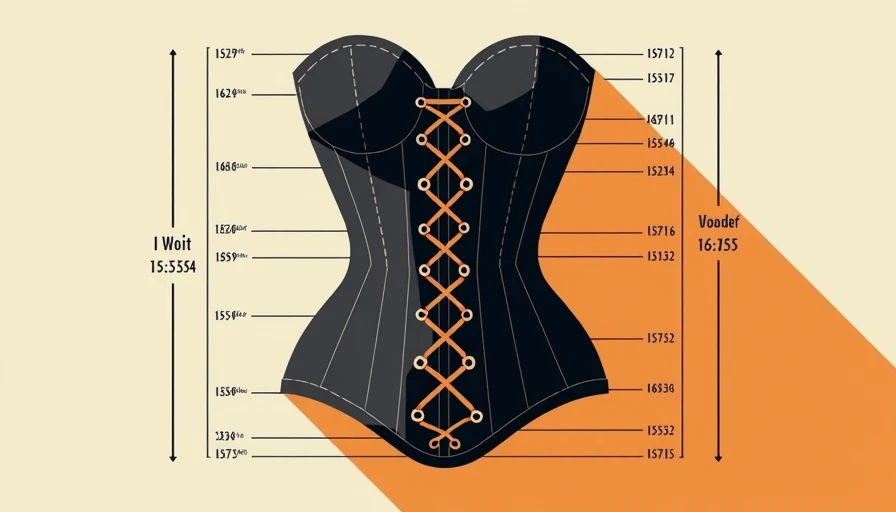
A quick sizing note: vintage corsets run small. Measure your natural waist and add two to four inches for comfort, depending on boning. Look for sellers who list measurements rather than modern dress sizes. And please, don’t try to “train” your waist with a vintage piece — that’s a different conversation, and not one for a fragile antique.
Caring for Your Vintage Corset
Vintage corsets are delicate. The boning can rust, the fabric can dry rot, and the laces can fray. If you want yours to last another fifty years, treat it with reverence.
**Cleaning:** Avoid washing a vintage corset in a machine. Spot-clean with a damp cloth and mild soap; if the corset is heavily soiled, take it to a professional dry cleaner who handles antique textiles. Never soak it — water can distort the boning and shrink the fabric layers. For deodorizing, air it out in a shaded spot or use a fabric-safe spray.
**Storage:** Hang your corset by the waist tape — not by the lacing or straps — on a padded hanger. If you don’t have a hanger that supports it, lay it flat in a acid-free tissue paper in a memory box. Avoid plastic bags; the fabric needs to breathe. And keep it away from direct sunlight, which will fade the fabric and weaken the fibers.
**Repairs:** A loose busk or a popped seam doesn’t mean the end. A good tailor who works with vintage can restitch and rebone a corset. Don’t try to fix it yourself unless you have experience — the tension inside a corset is precise, and the wrong stitch can ruin the shape.
Why Vintage Corsets Still Matter
The best clothes don’t just age. They remember. A vintage corset remembers the woman who wore it to a dance, the seamstress who stitched the boning channels, the afternoon light that hit the satin. Wearing one today isn’t about nostalgia — it’s about honoring that memory while making it your own. So if you find one that fits, and you respect its fragility, wear it with pride. Just remember: you’re not wearing a costume. You’re wearing a life.
*Ellie Voss*