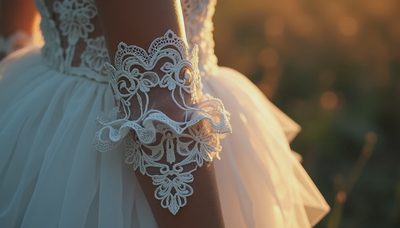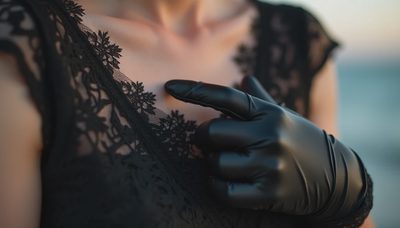
A **pink vintage dress** can go one of two ways: it can feel like a treasure with a previous life, or it can look like a costume that never quite settles onto the body. The difference is usually not the color. It is the fabric, the cut, the wear, and the quiet clues that tell you whether a garment was actually lived in. Pink, in vintage, is especially slippery. It can be powdery and restrained, bright and synthetic, blushed by age, or softened by decades of washing. That is exactly why I love it. The best clothes don't just age. They remember.
Why a pink dress feels different in vintage
Pink has a strange reputation in modern shopping: too sweet, too obvious, too easy to flatten into a trend. But in older garments, pink often behaves differently. A 1950s cotton day dress in faded rose can feel practical and romantic at once. A 1960s shift in shell pink wool crepe has a coolness that contemporary versions rarely manage. A 1980s pink party dress, especially one with a strong shoulder or sculpted waist, can be theatrical in the best way if the fabric has real weight.
What matters is tone and texture. Vintage pink is rarely one-note. It might have yellowed slightly at the seams, deepened where the fabric was protected from light, or softened into something closer to peony than bubblegum. When I pick up a pink piece at a flea market, I always look at it in daylight if I can. Indoor lighting lies. A pink vintage dress that seems sugary under fluorescent bulbs may turn out to be smoky, dusty, and incredibly elegant outside.
The emotional pull is part of it too. Pink can carry memories without becoming sentimental. It can read playful, formal, tender, or sharp depending on the decade and the textile. That range is why it keeps surviving fashion cycles.
How to tell if a pink vintage dress is truly old
Start with the label, but do not stop there. Labels fall off, get replaced, or tell only part of the story. Construction usually reveals more. Look for metal zippers in many mid-century pieces, pinked seams in older cotton garments, hand-finished hems, and fabric-covered buttons that show a little irregularity. If the inside looks almost too clean, too uniform, and too synthetic, pause. Reproductions often imitate the silhouette but not the soul.
Fabric is your next clue. Older rayon feels different from modern polyester; silk has a temperature and fluidity that is hard to fake; cotton from earlier decades can be surprisingly dense. Hold the dress by the shoulder and let it hang. Does it fall with gravity, or does it stand away from the body in that stiff, imitation-retro way? A real pink vintage dress usually has some conversation between fabric and time.
Then check for honest wear. Underarms, side seams, closures, and hems tell the truth. Light fading is common and not always a deal breaker. Shattering silk, large rust marks, and dry rot are more serious.
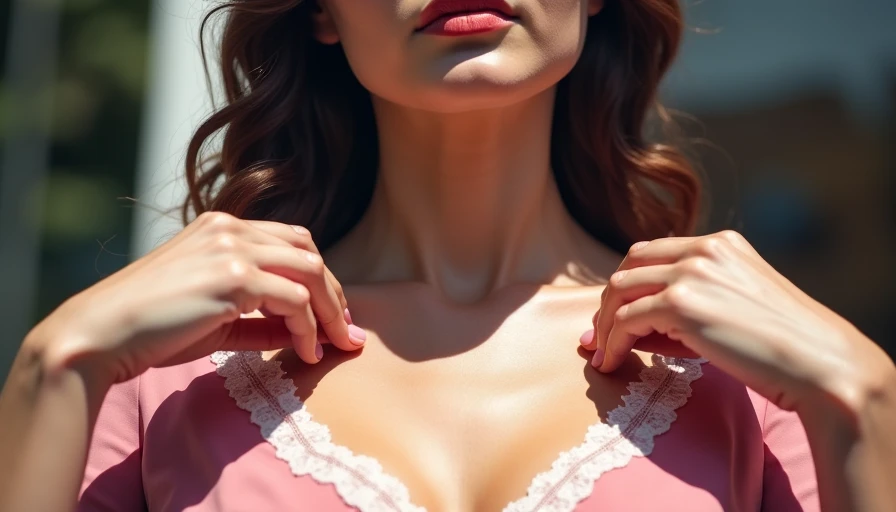
I also recommend learning a few broad era shapes. Bias cut means the fabric was cut diagonally across the grain so it skims the body more fluidly. A drop waist often points you toward the 1920s or later revivals. A nipped waist with a full skirt suggests the 1950s, though modern brands copy it constantly. You do not need to become a museum catalog. You just need enough literacy to ask better questions.
Where to find one without paying collector prices
The internet is useful, but it has made everyone very confident with the word vintage. If you are searching online, ask for measurements, fiber content if known, close photos of seams, and any flaws in direct light. Bust, waist, hip, shoulder, and length matter more than a tagged size, especially with older clothing. Sizing changed across decades, and many garments were altered.
In person, I still trust flea markets, estate sales, church rummage sales, and local thrift stores more than heavily branded resale platforms. Not because everything is cheap anymore, but because context survives better there. A dress found in a box of old slips, table linens, and costume jewelry often tells the truth about its age. A pink vintage dress on a curated site may be wonderful, but part of the price is storytelling. Sometimes that story is earned. Sometimes it is just markup.
If your budget is tight, look slightly outside the obvious categories. Nightgowns, house dresses, bridesmaid dresses, and occasionwear can be altered into something deeply wearable. I would rather buy a slightly awkward 1960s pink dress with beautiful fabric for $40 and pay for a simple hem than spend three times that on a piece that is already social-media perfect.
How to style a pink vintage dress without looking costumed
This is where people get nervous, and they do not need to. The easiest way to wear a pink vintage dress now is to let one thing be old and the rest be calm. If the dress has a strong silhouette, keep the shoes simple. If the color is delicate, add contrast through a broken-in leather jacket, flat boots, or a sturdy cardigan. Vintage loves friction. It looks more alive when it is not over-explained.
For daytime, I like a pink cotton or rayon dress with loafers, socks, and a canvas coat. For evening, a silkier piece can take a low heel, old silver jewelry, and a bag that is not too precious. Try not to match the era too literally unless that is genuinely your joy. Gloves, pin curls, and perfect period shoes can be beautiful, but they can also trap you inside reenactment.

Pay attention to proportion. A fuller skirt wants either a defined waist or a deliberately relaxed top layer. A narrow 1960s sheath works best when everything around it stays clean and minimal. And if the pink feels too sweet on you, add structure. Black, brown, navy, faded denim, olive, and cream all steady it without draining its character.
Caring for delicate pink fabric so it lasts
Pink is often where damage hides in plain sight. Sun fading is more visible, sweat marks can oxidize into yellow or brown, and old stains tend to announce themselves once you wash a garment. Before cleaning, inspect every weak point: underarms, zipper area, waistband, and any lace insertion. If the dress feels brittle, skip home washing until you understand the fiber.
Cotton and some sturdy synthetics can usually handle a gentle hand wash in cool water with a mild detergent. Rayon is trickier because it can weaken when wet. Silk deserves patience: cool water, very light handling, and no twisting. Always test a hidden seam first for dye bleeding, especially with deeper pinks. Lay the dress flat on a towel and reshape it while damp.
Storage matters just as much as cleaning. Keep a pink vintage dress out of direct sunlight, away from wire hangers, and with enough breathing room that the fabric does not crease sharply for months. If the shoulders are fragile, store it flat or use padded hangers. Mending should be respectful, not invisible at all costs. A neatly stabilized seam is better than pretending damage is not there.
The pink dress worth keeping
Not every vintage piece needs to become a forever piece. But when a pink dress fits your life instead of an imagined version of it, you will know. Maybe it is a faded 1940s rayon print you wear with clogs to dinner. Maybe it is a 1980s satin number that only comes out twice a year and still earns its space. The point is not rarity for rarity's sake. It is resonance.
A good pink vintage dress does not ask you to perform nostalgia. It simply gives you more texture to live in. Look for shape, softness, repairability, and a color that becomes more interesting the longer you stare at it. Buy the one that feels inhabited already, and then let it keep changing with you.