I found my first Leslie Fay dress at a flea market in Pennsylvania, stuffed between a polyester tablecloth and a stack of pattern books. The label was unmistakable: "Leslie Fay" in that classic script, a dress that probably cost a secretary a week's salary in 1955. Today, Leslie Fay dresses vintage are some of the most undervalued pieces in the vintage market. They weren't high fashion, but they were worn by real women who worked, raised families, and danced at Saturday night socials. That's exactly why they matter.
The Story Behind Leslie Fay
Leslie Fay was founded in 1947 by Fred Pomerantz, a dress manufacturer who wanted to make good-quality, affordable dresses for the American woman. The brand became famous for its moderately priced, well-constructed dresses sold in department stores across the country. By the 1950s, Leslie Fay was a household name, producing thousands of dresses each season in a range of sizes and styles. The company specialized in day dresses, afternoon dresses, and evening wear, all with a focus on fit and practicality. What makes Leslie Fay dresses vintage so appealing today is their wearability. They aren't museum pieces. They're dresses that can be thrown on for brunch or a wedding, and they age beautifully if treated with care.
How to Spot an Authentic Vintage Leslie Fay Dress
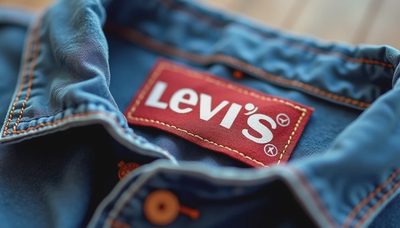
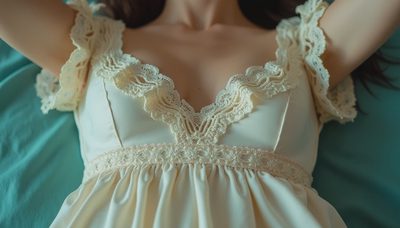
The label is your first clue. Vintage Leslie Fay labels from the 1950s and 1960s typically say "Leslie Fay" in a cursive or block script, often with "Dress" or a style number. Later labels might say "Leslie Fay" inside a circle. Check the construction: zippers were often metal (not plastic) until the late 1960s, and seams are finished with bias binding or serged. The fabric is usually cotton, rayon, or a blend — sometimes silk for special occasion dresses. Also look for the union label, a small tag that shows it was made in the USA by union workers. This isn't always present, but it's a good sign of authenticity. Avoid buying if the label looks too new or the dress feels like polyester from the 1970s — those are later reproductions or later-era dresses that lack the original charm. Leslie Fay dresses vintage from the 1950s often have full skirts, nipped waists, and floral or geometric prints. By the 1960s, shift dresses and A-lines appear.
Styling Your Vintage Leslie Fay Dress
A Leslie Fay dress from the 1950s can feel like a costume if you dress it too literally. I like to mix mine with modern pieces: a cropped leather jacket, oversized blazer, or chunky loafers. The floral prints and full skirts look completely fresh when paired with sneakers and a simple topknot. For a more polished look, a belt and kitten heels will channel the original era without looking like a time warp. Leslie Fay dresses vintage from the 1960s, with their shift silhouettes and geometric patterns, work perfectly under a long cardigan or with a pair of tall boots. The key is to treat them as just another dress in your rotation, not a special occasion piece. Wear them to the grocery store, to the office, to a picnic. They hold up to everyday life.
Caring for Your Vintage Leslie Fay Dress
These dresses have survived decades, and with proper care they'll survive decades more. Most are made from natural fibers or blends that respond well to gentle washing. Hand wash in cold water with a mild detergent designed for delicates. Avoid wringing — roll in a towel to remove excess water. Hang to dry away from direct sunlight. For rayon or silk, consider dry cleaning only, especially if the dress has intricate seams or trim. Iron on low heat, and use a press cloth to protect fragile fabric. Store on padded hangers or folded with acid-free tissue paper to prevent creasing. Leslie Fay dresses vintage are sturdy, but the fabric and seams can be delicate. Inspect for stains and damage before washing. If you find a stain, treat it gently with a stain remover spot test. With care, these dresses can be worn and loved for another fifty years.
Where to Find Leslie Fay Dresses Vintage
The best place to hunt for Leslie Fay dresses vintage is estate sales and flea markets in the Midwest and Northeast, where these dresses were commonly sold. Online, check Etsy, eBay, and Depop — but be patient. Search for "Leslie Fay dresses vintage" and be prepared to sort through later-era pieces. The sweet spot is dresses from the 1950s and early 1960s. Prices range from $20 to $80, depending on condition and rarity. A pristine dress with original tags can go for over $100, but most are affordable. Avoid reproductions sold as vintage; the label should look period-appropriate.
Why Collect Leslie Fay Dresses Vintage?
Leslie Fay dresses vintage offer a window into the lives of everyday women in the mid-20th century. They are not rare couture, but they are historically significant because they represent what most women actually wore. Collecting them is a way to preserve a piece of social history, and unlike high-end vintage, they remain accessible in price and availability. Each dress carries the story of its first owner — the wedding she attended, the office holiday party, the Sunday church service. When you wear one today, you are adding your own chapter to that story.