
The Women's Carhartt Jacket Vintage: A Workwear Classic Worth the Hunt
There are some pieces you find and immediately know they will outlive you. A vintage women's Carhartt jacket is one of them. I still remember the first time I held one — a 1980s brown duck jacket with that stiff, waxy feel of a garment that had broken in, not broken down. It smelled like the Midwest, like a barn from a century before. I was at a flea market in Pennsylvania, and the seller — an older man who had worked for the railroad — said, "That jacket will last longer than you." He wasn't wrong. The women's Carhartt jacket vintage pieces I've owned have proven to be the hardest-working items in my wardrobe. They don't ask for much: a gentle wash, a little wax now and then, and they keep going. These jackets have a history, and when you wear one, you carry that history with you. But not all vintage Carhartt jackets are created equal. Some are modern reproductions, others are genuinely old, and a few are rare enough to make any vintage hunter's heart skip. In this post, I want to share what I've learned about finding, authenticating, and caring for a women's Carhartt jacket vintage piece — whether you're a longtime collector or someone looking for their first one.

The History of Carhartt and Its Iconic Jackets
Carhartt started in 1889 in Detroit, founded by Hamilton Carhartt. The company initially made overalls and workwear for railroad workers. By the early 1900s, they had expanded to coveralls, coats, and bibs. The iconic style that we now call the "vintage Carhartt jacket" — particularly the duck cloth chore coat and the lined sandstone jacket — became staples in American workwear by the 1920s. Duck cloth, a tightly woven cotton canvas, was the fabric of choice because of its durability. Women's versions were introduced later, as women joined the workforce in larger numbers during World War II. The women's Carhartt jacket vintage pieces from the 1940s and 1950s are especially sought after. They were often cut slightly slimmer but still built to last. I own a 1940s style I found in a thrift store in New Jersey. The label is worn, but the brass buttons and double-stitched seams tell the story. Carhartt didn't change its construction methods much for decades, which is why a jacket from the 1980s feels almost identical to one from the 1920s. That consistency is part of the appeal.
Why a Women's Carhartt Jacket Vintage Piece Holds Value
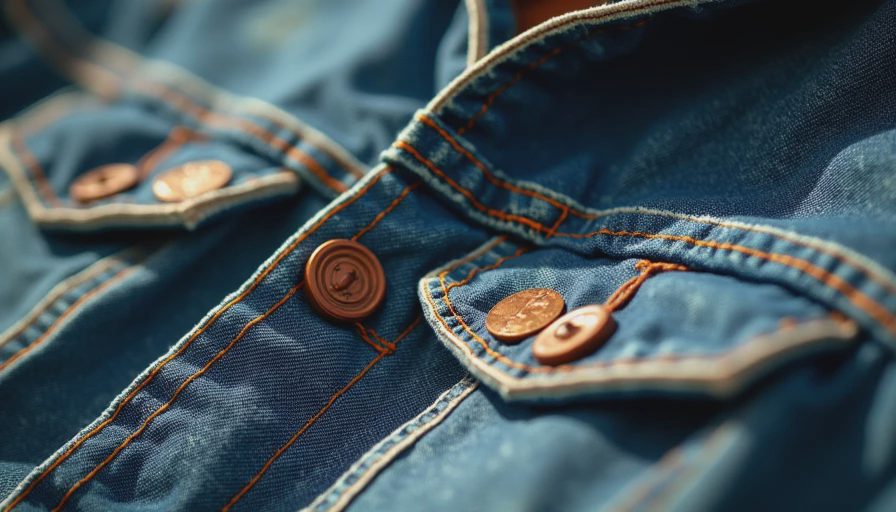
Beyond the history, these jackets are valuable because they were designed to be repaired, not replaced. The sturdy duck canvas, the heavy-duty zippers, the reinforced elbows — every detail was meant to withstand years of abuse. So when you find a women's Carhartt jacket vintage specimen in decent condition, you are buying a jacket that still has plenty of life left. I've seen them priced anywhere from forty dollars at a flea market to over two hundred on resale sites, depending on rarity and condition. The brown duck color is the most common, but darker shades and the rare "Cement" gray command higher prices. Authentic vintage pieces have distinct tells: the brown duck fabric is heavier than modern versions, the Carhartt logo tag on the inside is usually a woven label with black letters on a white background, and the button rivets have a rough, unpainted finish. If you're shopping online, ask for close-ups of these details. A reproduction often has a stiffer, cheaper-feeling canvas and a printed label.
How to Find Your Own Women's Carhartt Jacket Vintage
The hunt is half the joy. I always start at flea markets, estate sales, and thrift stores in rural areas — places where the original owner might have actually worn it for work. The urban thrift stores in cities like Brooklyn often have picked-over racks, but you can still find gems if you go regularly. I also check online marketplaces like eBay and Depop, but I set a maximum of a hundred dollars and filter by condition. Look for the keywords "vintage Carhartt jacket 1990s" or "vintage Carhartt duck jacket" — but the specific women's Carhartt jacket vintage listings are less common. Most vintage Carhartt jackets on the market are men's, so when you see a women's cut, grab it. The women's versions typically have a slightly higher armhole and a shorter torso. If you're worried about fit, remember that these jackets are meant to be slightly loose. I actually prefer a men's size small (which is about a women's medium) for the roomier feel.
Caring for Your Vintage Carhartt Jacket
Once you've found your women's Carhartt jacket vintage treasure, you'll want to keep it going for another forty years. The good news is these jackets are low-maintenance. Spot clean with a damp cloth and mild soap. If it needs a full wash, use cold water on a gentle cycle and air dry. Do not use fabric softener; it breaks down the wax finish. For those that need re-waterproofing, you can apply a thin layer of a dedicated wax dressing like Filson's Waxed Cotton Dressing or a generic beeswax blend. Rub it in with your hands and then heat gently with a hair dryer to help it absorb. Another tip: store your jacket on a sturdy hanger in a cool, dry place. Avoid folding it for long periods — the creases can weaken the fabric over time. I keep mine hanging on a brass hook by my door, ready for any weather.
Styling a Women's Carhartt Jacket Vintage Piece for Everyday
The beauty of these jackets is that they look right at home with almost anything. Over a flannel shirt and jeans, it's effortless. Over a sundress and boots, it adds a touch of toughness. I've worn mine to the farmer's market and to a casual dinner in the city. The patina — those faded spots and small stains — is part of the charm. Don't try to clean it too much. Every mark tells a story. For a more polished look, pair a brown duck jacket with a white blouse and black denim. The contrast between the rough workwear and a softer fabric is what makes vintage styling interesting. Avoid pairing it with anything too precious or preppy — let the jacket be the hero.
Final Thoughts
The women's Carhartt jacket vintage is not just a piece of clothing. It's a tool. It's an artifact. It's a reminder that the best clothes don't just age. They remember. And that's worth hunting for. Whether you find one at a flea market for fifty dollars or save up for a pristine example online, you'll have a jacket that will serve you season after season. Now go out there and start digging. The next treasure is waiting.