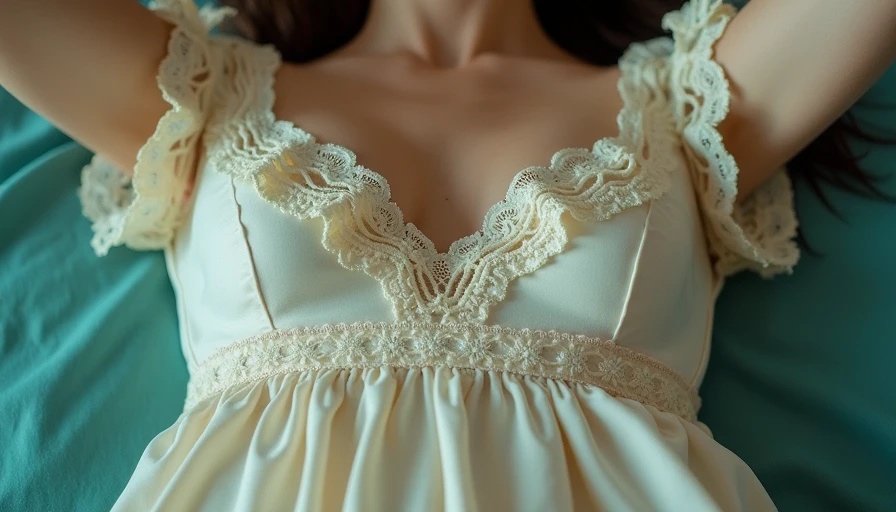
I found my first vintage Gunne Sax dress at the Williamsburg Flea Market on a freezing Sunday in January. It was hanging between a stained corduroy blazer and a sequined sweater that had seen better days — a cream-colored cotton lawn dress with tiny pintucks, a lace-trimmed yoke, and sleeves that bloomed like morning glories. The seller wanted forty dollars. I gave him thirty-five and carried it home like a newborn. That dress taught me something about American fashion in the 1970s: that a garment could be both commercially mass-produced and deeply personal, that rebellion could look like a pioneer woman's apron if you knew where to look. The vintage Gunne Sax dress is not just a piece of clothing — it's a capsule of an era when young women rejected polyester disco in favor of calico and eyelet, when they chose nostalgia as a form of protest.
The History of the Vintage Gunne Sax Dress
Jessica McClintock started Gunne Sax in 1968, originally as a line of children's party dresses. By the early 1970s, the brand had pivoted to teenage and young women's wear, riding the wave of what would later be called the "prairie revival." The timing was perfect. Women were tired of the sleek, synthetic shapes that dominated the previous decade. They wanted something that felt handmade, that whispered of grandmother's attic and summer afternoons in a sunlit field. The vintage Gunne Sax dress answered that call with billowy sleeves, high necklines, and skirts that swirled with every step. It wasn't exactly authentic to nineteenth-century fashion — it was a dream of it, romanticized and filtered through the haze of lavender sachet and old photographs. And that's precisely why it worked.
What sets a genuine Gunne Sax apart from the imitations is the construction. Jessica McClintock's team used cotton and cotton blends almost exclusively, with occasional polyester for the sheerest overlays. The details are where the magic lives: French seams that lie flat against the skin, lace inserts that are actually sewn in rather than glued, buttons that are real shell or glass rather than plastic cast-offs. The vintage Gunne Sax dress also has a distinctive silhouette — empire waist or natural waist, often with a back zipper and a keyhole button closure at the neck. The skirts are generous, with enough fabric to make you feel like you're wearing something substantial. When you hold one in your hands, it has weight. It has memory.
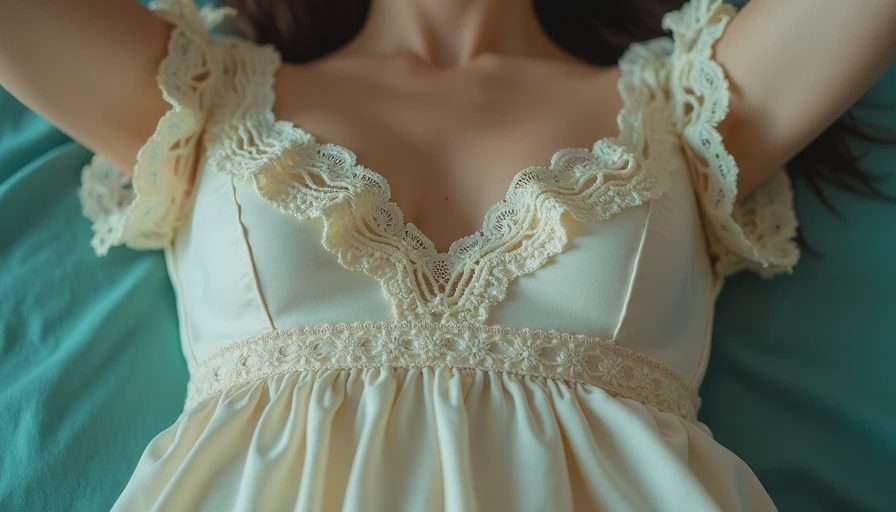
Authenticating a vintage Gunne Sax dress takes practice, but there are a few reliable tells. First, the label. Early 1970s dresses have a simple woven label that reads "Gunne Sax" in script, often with "San Francisco" underneath. Later labels include "Jessica McClintock" in the design, sometimes with a small embroidered logo. Check the seams for quality — if they're unfinished or the stitches are uneven, you're probably looking at a reproduction. The fabric is another clue. Genuine vintage Gunne Sax uses cotton that feels soft but not flimsy, with a slight crispness that comes from age and proper care. And the smell: vintage cotton that has been stored well has a particular scent, like old books and dried flowers. If a dress smells musty but the fabric is in good condition, it can often be aired out or gently washed. But if the fabric is brittle or the elastic has perished, it may be beyond saving.
How to Care for Your Vintage Gunne Sax Dress
Caring for a vintage Gunne Sax dress requires patience and a gentle hand. These dresses are often fifty years old, and the cotton fibers have grown fragile with time. Hand washing in cold water with a mild soap — I use Soak or a drop of baby shampoo — is the safest method. Never wring or twist the fabric; instead, press the water out gently and lay the dress flat on a towel to dry. If you must iron, use a low heat setting and a pressing cloth to protect the lace and pintucks. Store your dress in a cotton garment bag, away from direct sunlight and moths. Cedar blocks or lavender sachets work better than mothballs, which can yellow the fabric and leave a lingering chemical smell that's nearly impossible to remove. The more carefully you treat your vintage Gunne Sax dress, the longer it will survive to be worn by the next generation.
Styling a vintage Gunne Sax dress for modern life takes a little thought, but it's not as tricky as you might think. The key is to avoid looking like you're heading to a period reenactment. Pair the dress with simple, contemporary accessories: leather boots or minimalist sandals, a cropped denim jacket, a leather belt that breaks up the silhouette. I've worn mine with a chunky wool cardigan in winter and with bare feet and a floppy straw hat in summer. The contrast between the delicate dress and something rugged or modern keeps the look grounded. A vintage Gunne Sax dress is special enough on its own — let it be the star, and dress everything else around it with restraint. And don't be afraid to have it altered if the fit isn't perfect. A good tailor can adjust the waist or take up the hem without compromising the garment's integrity.
Finding your own vintage Gunne Sax dress is a treasure hunt. The best places are estate sales, flea markets, and smaller thrift stores in older neighborhoods — the ones that haven't been picked over by resellers with barcode scanners. Online, Depop and Etsy have a steady supply, but prices have climbed in recent years as the dresses have gained popularity on TikTok and Instagram. Expect to pay anywhere from $50 for a common style in fair condition to $300 or more for a rare piece with original tags. Remember the anti-flip philosophy: buy because you want to wear it, not because you think it will appreciate in value. A vintage Gunne Sax dress is meant to be lived in, to dance at weddings, to picnic in the park, to twirl in the kitchen while making coffee. It will remember your moments as it remembers its own.
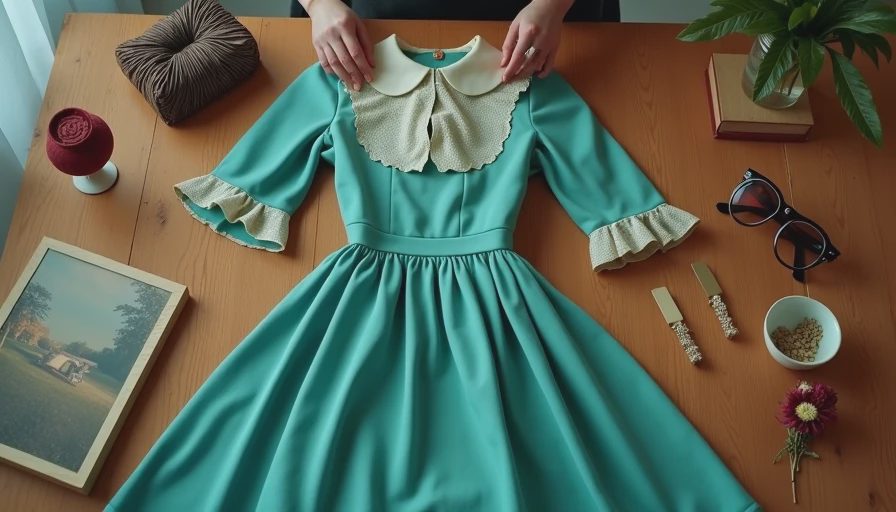
The reason the vintage Gunne Sax dress endures is because it's not just nostalgia for a past we never lived — it's nostalgia for a feeling. The feeling of something slow, something careful, something made with attention. In a world of fast fashion and constant newness, a dress that was stitched with care forty years ago and has survived to hang in your closet is a small act of defiance. The best clothes don't just age. They remember.
If you're new to vintage collecting, start with one piece — a single Gunne Sax dress that speaks to you. Learn its fabric, its seams, its quirks. Wear it until the lace starts to fray, then mend it. Pass it on to someone who will understand. That's how we keep the stories alive.