
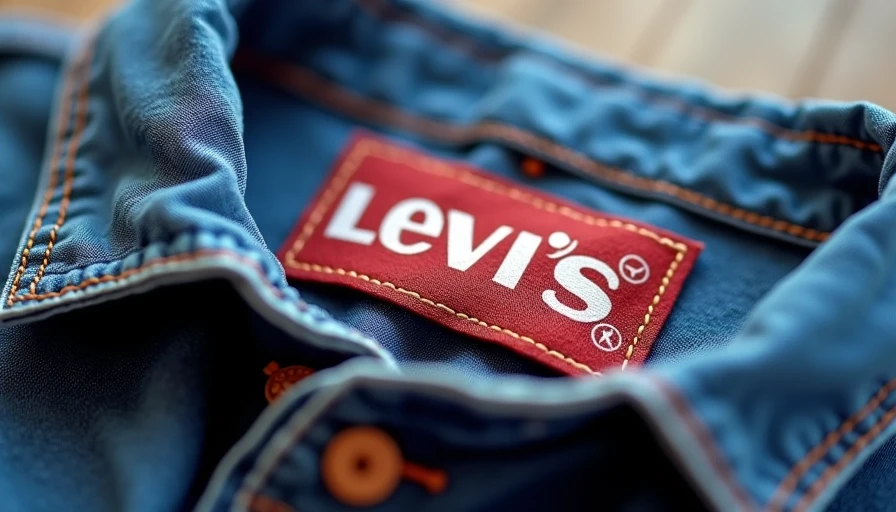
How to Read Levis Shirt Labels and Date Your Vintage Find
I found my first vintage Levi's shirt at a flea market in Williamsburg. It was a faded indigo workshirt with a red tab peeking out from the pocket. The seller said it was from the 1970s, but I couldn't be sure. That's when I started decoding levis shirt labels. Those little tags and markings are the best way to date a shirt, spot a reproduction, and understand the story behind the fabric.
The best clothes don't just age. They remember. And levis shirt labels carry that memory in stitches, dye codes, and logo shapes.
The Evolution of the Levi's Shirt Label
The first thing to know is that Levi's hasn't always used the same label. In the early 20th century, work shirts had a simple paper tag or a small stitched logo. By the 1930s, Levi's began adding a red tab to their jeans, and shirts soon followed. The famous "Red Tab" with the registered trademark symbol (R) appeared on shirts around 1950. But the care instructions and fabric content labels we think of today didn't show up until the 1970s, when the U.S. government started requiring them.
When you flip open a vintage Levi's shirt, look for the care tag inside the side seam or the back of the collar. The shape, font, and information on that tag can pinpoint the shirt's decade. For example, a label that says "100% Cotton" in a serif font with a single fold is likely from the 1960s. A tag with a washing care symbol that looks like a drum of water? That's post-1979.
Decoding the Care Tag: What the Numbers Mean
Levis shirt labels from the 1970s and 1980s often include a six-digit number. That number is the style code. The first two digits tell you the fabric type: 50 for denim, 70 for twill, 80 for poplin. The next two digits indicate the fit (e.g., 23 for slim, 25 for classic) and the last two digits are the color or batch. A tag with "501" style number is a dead giveaway for denim, though 501 is usually associated with jeans. For shirts, you might see "728" or "804." These codes help you track down the exact shirt in old Levi's catalogs.
Another important number is the date code, often printed below the style code. Levi's used a system that encodes the year and month. For example, "1169" means November 1969. But watch out: some reproductions copy these codes. The real test is the overall quality of the label—vintage labels are woven, not printed, and the fabric around them shows age.
Red Tab and Logo Variations
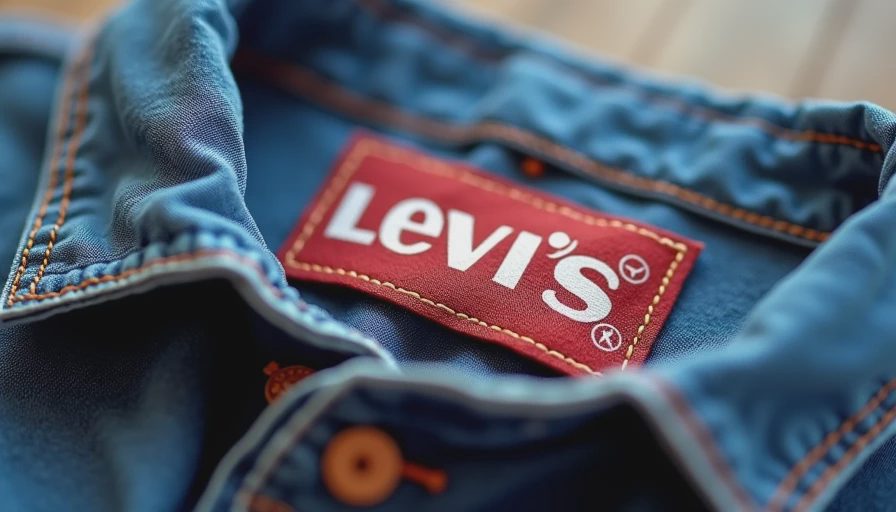
The red tab is a tiny piece of history. On vintage levis shirt labels, the tab itself tells a story. Before 1971, the red tab had a capital "LEVI'S" in block letters with no registered trademark. From 1971 to the early 1990s, the tab included the R symbol. The position of the tab also matters. On older shirts, the tab is sewn into the pocket seam. On later models, it's attached to the pocket itself. If you see a tab with a small "e" (lowercase), that's a common reproduction detail—originals had a capital "E" up until the late 1960s.
The main label inside the collar also evolved. In the 1960s and 1970s, the care label was a thick woven paper with red and white stripes. By the 1980s, labels became white with black text and washing symbols. If you find a shirt with a label that says "Made in the USA" and no RN number, it's likely pre-1980.

Common Mistakes When Dating by Levis Shirt Labels
One mistake collectors make is confusing a reproduction with an original. Repro makers often copy vintage label designs, but the fabric weight and stitching give them away. Original levis shirt labels are attached with a heavy, even stitch. Modern repros use a lighter thread that frays unevenly. Also, check the button hardware. Vintage Levi's shirts use donut-hole buttons with a distinctive rim. If the buttons are plastic or have a different shape, the shirt might be newer than the label suggests.
Another pitfall is ignoring the neck tag. A shirt from the 1950s may have the red tab but no care label inside the collar—that came later. So if you see a shirt with a care tag from the 1960s but the red tab style is from the 1950s, something is off. Consistency across all labels is key.
Why Labels Matter to Collectors
For vintage lovers, levis shirt labels are treasures. They tell you not just when the shirt was made, but where and for whom. Pre-1970s shirts were often made in San Francisco, while later ones came from factories in Tennessee or Texas. Labels with the word "San Francisco" carry a premium. Collectors hunt for rare labels like the "Big E" tabs or tags that list union representation, which indicates a shirt made during the union era of the 1940s-1960s.
Understanding these details helps you build a meaningful collection instead of just buying anything that looks old. It also protects you from paying vintage prices for modern reproductions.
Next time you're at a thrift store or estate sale, take a moment to flip that shirt and check the label. The history is right there in the stitching. The best clothes don't just age. They remember. And with a little practice, you'll be able to read those memories as clearly as a book.